
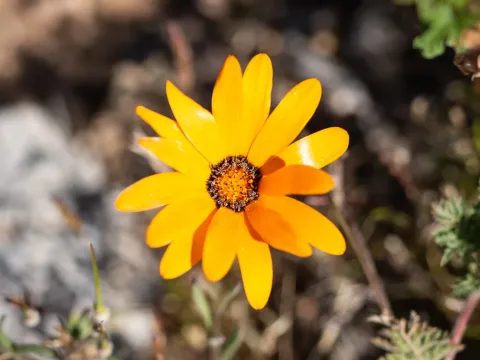
Dimorphotheca
Dimorphotheca Vaill. ex Moench
Sowing of Dimorphotheca in open ground is typically performed in mid-spring once the risk of frost has passed. For earlier blooming, it is highly recommended to start seeds indoors in seedling trays or peat pots about six to eight weeks before the last expected frost date.
What the section contains


Dimorphotheca
The seeds are small and should be sown shallowly, lightly covered with fine soil or vermiculite to ensure proper light penetration for germination. Maintaining a consistent temperature of around 15–18 degrees Celsius is essential for successful and uniform sprouting within two weeks.
Once seedlings have developed their first true leaves, they should be thinned or transplanted to their final growing site. Space the plants approximately 20–25 centimeters apart to provide sufficient room for healthy branching and airflow, which helps prevent moisture-related issues.
When direct seeding in the field, prepare the soil by removing weeds and ensuring a loose, crumbly texture. Keep the seedbed consistently moist during the germination period but avoid overwatering, as this can lead to seed rot before they emerge.
Proper timing of sowing allows the plants to establish a strong root system before the onset of extreme summer heat, ensuring they can survive and bloom prolifically during the mid-to-late summer months.
Dimorphotheca, native to Southern Africa, is a sun-loving plant that thrives in direct, intense sunlight. It is essential to select a planting location that receives at least six to eight hours of full, unobstructed sun per day for optimal growth and flowering.
The ideal soil for this crop is light, sandy, and exceptionally well-drained. Heavy clay soils are generally unsuitable because they retain too much moisture, which can easily cause the plant’s taproot system to suffer from fungal rot and decay.
This species is well-known for its high drought tolerance once established. While it prefers consistent moisture to produce the most abundant blossoms, it can survive periods of low rainfall by utilizing its deep root structure to access available soil water.
The plant performs best in warm climates with temperatures ranging from 20 to 25 degrees Celsius. It does not tolerate waterlogging or high humidity, especially during cool nights, which can trigger stress responses and lead to poor flower development.
Fertilization should be managed carefully. A balanced, low-nitrogen fertilizer applied sparingly will support flower production without encouraging excessive foliage growth, which would compromise the plant's natural balance and aesthetic appeal.
Fungal diseases, particularly grey mould (Botrytis), pose the greatest threat to Dimorphotheca. These pathogens thrive in high humidity and stagnant air, so keeping foliage dry and maintaining good spacing between plants are the most effective preventative measures.
Aphids are the primary insect pests affecting this crop. They tend to congregate on the tender young shoots and buds, extracting plant sap and causing stunted growth or distortion. They can also serve as vectors for various plant viruses.
Spider mites can become problematic during hot and dry spells. These pests colonize the undersides of leaves, leading to yellowing or bronzing of the foliage. Early detection and the application of appropriate miticides are critical to preventing significant damage.
To reduce the need for chemical intervention, employ integrated pest management strategies, such as removing infected plant parts immediately and encouraging natural predators in the garden landscape.
Should severe infestations occur, use systemic insecticides or fungicides according to the manufacturer’s instructions. Always ensure that the chosen chemicals are appropriate for use on ornamental flowers to avoid accidental phytotoxicity.