
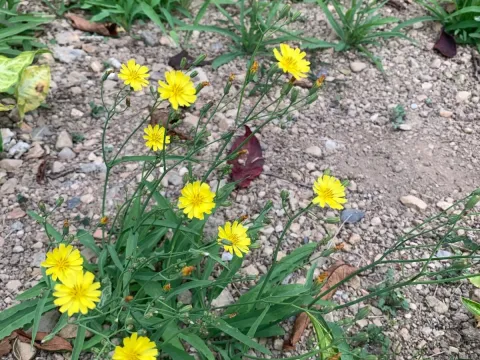
Ixeris
Ixeris
Ixeris is a genus of flowering plants belonging to the Asteraceae family. It is increasingly recognized for its potential as a leafy vegetable crop due to its nutrient profile.
What the section contains


Ixeris
The optimal time for sowing is during early spring when the soil has sufficiently warmed up. Direct seeding is the preferred method for establishing a healthy crop.
Seeds should be sown shallowly, ideally at a depth of 0.5 to 1 cm, as they require light and consistent moisture to germinate successfully within two weeks.
Maintaining proper spacing is crucial to prevent overcrowding, which can lead to poor air circulation and subsequent fungal outbreaks in the leaf canopy.
Regular irrigation is vital after sowing to ensure soil contact with the seeds, promoting uniform emergence across the entire planting bed.
This crop thrives in well-drained, fertile soil with a slightly acidic to neutral pH. Enrichment with organic compost before planting provides the necessary nitrogen for vigorous leaf development.
Water management is the most important factor in Ixeris cultivation. Consistent moisture prevents the plants from prematurely bolting, which would make the leaves too bitter for consumption.
While the plant tolerates some shade, full sun exposure is generally recommended to maximize photosynthesis and improve the chemical composition of the edible leaves.
Weed control should be performed manually or through light mechanical cultivation to ensure that the delicate root system of the crop remains undisturbed.
Temperature management is also key; the plant prefers cool to moderate climates, as high temperatures often trigger the transition to the flowering stage.
Like many members of the Asteraceae family, Ixeris can be susceptible to aphids, which feed on the sap and can stunt plant growth if left unchecked.
Fungal diseases, such as powdery mildew, may occur if the planting density is too high or if the foliage remains wet for extended periods in humid weather.
Root rot can be a significant threat if drainage is poor, especially in areas prone to heavy spring rainfall or over-irrigation.
Slugs and snails may target the tender leaves, necessitating protective measures such as physical barriers or environmentally friendly pest control methods.
Proper sanitation and crop rotation help mitigate the risk of soil-borne pathogens that can accumulate if Ixeris is grown in the same plot consecutively.
Harvesting usually begins once the plants have formed a robust rosette of leaves, typically about 6 to 8 weeks after the initial sowing.
Individual leaves can be harvested successively, allowing the plant to continue producing new growth throughout the growing season.
For best flavor, harvesting should take place in the early morning before the sun heats the leaves and promotes the development of bitter compounds.
Post-harvest handling is critical for maintaining quality; immediate cooling prevents wilting and maintains the crisp texture required for culinary use.
The culinary use of Ixeris includes its integration into fresh salad mixes or as a sautéed green, providing a unique texture and flavor profile to various dishes.