
Ixeris japonica
Ixeris japonica
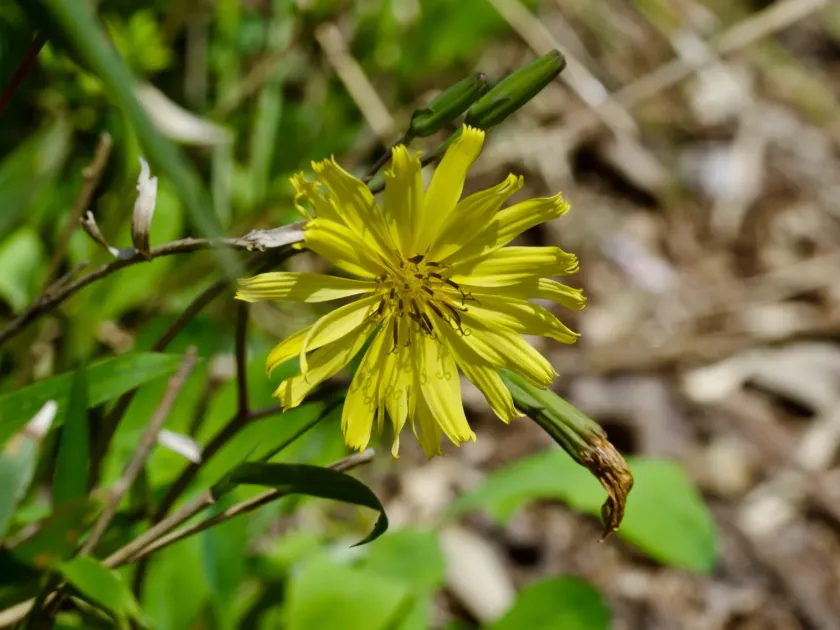
Description
Growing requirements
Ixeris japonica is a perennial herbaceous plant belonging to the Asteraceae family. Native to East Asia, including Japan and China, it has traditionally been used in local food systems and traditional medicine, demonstrating high ecological adaptability.
The crop requires well-drained, fertile soil to ensure optimal growth and development of its root system. It is known for its tolerance to various environmental conditions, including moderate salinity, which makes it a resilient candidate for agricultural trials in coastal areas.
Regarding climatic requirements, Ixeris japonica thrives in temperate regions with sufficient sunlight. It requires consistent moisture throughout the growing season but is sensitive to waterlogged soils, which can induce root rot and limit yield potential.
The botanical structure of the plant features a basal rosette of leaves and an erect inflorescence stem. The foliage is the primary harvested part for culinary use, possessing a characteristic slightly bitter flavor typical of the Lactuceae tribe.
Economically, the plant is valued for its nutritional profile and secondary metabolites, which provide antioxidant benefits. It is also explored as a supplementary forage crop in specific regional farming systems where grazing tolerance is required.
Main diseases and pests
Like many plants in the Asteraceae family, Ixeris japonica is susceptible to powdery mildew during periods of high humidity and poor air circulation within the canopy.
Aphids and various leaf-feeding larvae are the primary pests. Monitoring these populations is essential, especially when cultivating the plant for leafy green production where foliage quality is paramount.