
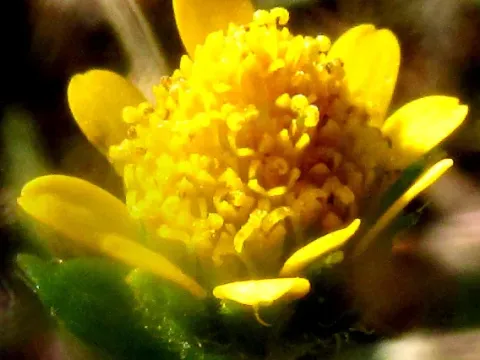
Jaegeria
Jaegeria
Jaegeria is a genus of flowering plants belonging to the Asteraceae family. These plants are appreciated for their delicate appearance and are often grown as garden ornamentals in various climatic zones.
What the section contains

Jaegeria
The sowing process begins in early spring, typically indoors in specialized trays, to ensure a strong start before the growing season. The seeds are surface-sown due to their small size and need light to germinate efficiently.
Transplanting into the garden bed should occur only after the danger of frost has passed. A well-prepared seedbed with fine soil structure helps in the successful establishment of the young seedlings.
Proper spacing is crucial for Jaegeria, as it encourages good airflow between the plants, which reduces the risk of humidity-related issues in the foliage.
Once established, the plant exhibits steady growth. Regular monitoring during the first few weeks after transplanting is essential to ensure the roots have properly integrated into the soil.
Jaegeria plants thrive in full sun exposure. Sunlight is the primary driver of their energy production, influencing the number of flowers produced and the overall plant vigor throughout the season.
Soil requirements include well-draining, moderately fertile soil. Heavy or clay-based soils that retain too much water are unsuitable and should be amended with organic matter or sand to improve structure.
Watering management is key: the soil should be kept consistently moist but never waterlogged. Regular, moderate watering is superior to infrequent, heavy soakings that may stress the root system.
Temperature range preference is moderate to warm. Jaegeria adapts well to standard garden environments but struggles in extremely cold or poorly ventilated conditions.
Occasional fertilization with a balanced, water-soluble fertilizer can support sustained blooming, particularly in container gardening or in areas with nutrient-depleted soils.
Common threats to Jaegeria include fungal infections like powdery mildew, especially during periods of high humidity and poor airflow. Managing the microclimate is the first step in control.
Pests such as aphids and spider mites can occasionally inhabit the foliage, causing stunted growth and leaf discoloration. Early detection through regular visual checks is vital.
Integrated Pest Management (IPM) practices should be employed, using biological controls where possible, or selective insecticides if the infestation exceeds economic or aesthetic thresholds.
Sanitation of the garden area is crucial; removing dead plant debris and weeds helps eliminate overwintering sites for various pests and fungal spores.
Maintaining vigorous plant health through correct spacing and feeding is the best natural defense against most typical horticultural threats affecting the genus.