
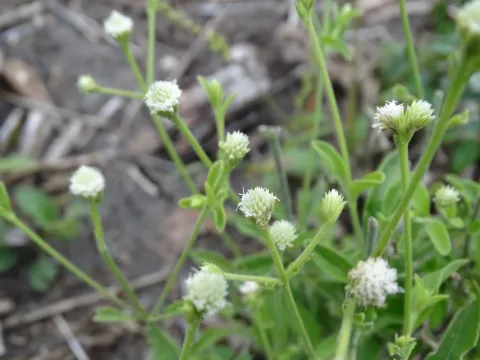
Isocarpha
Isocarpha
Isocarpha is a heat-loving plant, and its sowing schedule is highly dependent on the regional climate. Direct seeding outdoors should only occur after all risks of frost have passed and soil temperatures have reached at least 15-18 degrees Celsius.
What the section contains


Isocarpha
Starting the crop from seedlings in a greenhouse is the preferred method for most cultivation systems, providing a significant advantage in early establishment and overall vigor.
Seeds should be sown in a well-draining, nutrient-rich substrate. Consistent moisture and temperatures around 20-22 degrees Celsius are essential to ensure uniform germination and prevent fungal dampening-off.
Once seedlings have developed their first true leaves, they should be hardened off gradually to acclimatize them to outdoor wind, sun, and temperature fluctuations before transplanting.
Transplanting should be conducted with care to avoid root disturbance, as the plant reacts sensitively to shock during the initial phases of field establishment.
Isocarpha belongs to the Asteraceae family and is native to the tropical and subtropical regions of the Americas. It thrives best in full sun exposure, which is necessary for optimal photosynthesis and flower development.
The plant requires fertile, well-draining soils. While it can adapt to various soil types, avoid heavy, waterlogged soils as these are detrimental to the root system and significantly increase the risk of disease.
Watering management should balance moisture needs with the necessity of root aeration. Once established, Isocarpha shows moderate tolerance to short dry spells, but consistent moisture is preferred for high biomass production.
Soil pH levels should ideally be maintained in the range of 6.0 to 7.0 to facilitate the availability of essential micronutrients and prevent potential deficiencies.
Regular cultivation and weeding are recommended to eliminate competition for nutrients and water, especially in the early stages of the crop's development cycle.
The primary threats to Isocarpha crops include fungal infections such as powdery mildew, which can spread rapidly in high humidity and stagnant air conditions within the field.
Root rot remains a serious concern for farmers, particularly in poorly drained soils. Implementing proper irrigation scheduling and maintaining good soil drainage are the most effective preventative measures.
Pests such as aphids and spider mites are common concerns. These insects damage the plant by feeding on cell sap, which can cause leaf curling, stunted growth, and the transmission of viral pathogens.
Integrated pest management (IPM) strategies, including the use of beneficial insects and selective insecticides, should be employed to mitigate damage while minimizing environmental impact.
Maintaining a clean field, practicing proper crop rotation, and removing infested crop residues are essential practices to break the life cycles of common plant pathogens and pests.