
Japanese dandelion
Taraxacum japonicum
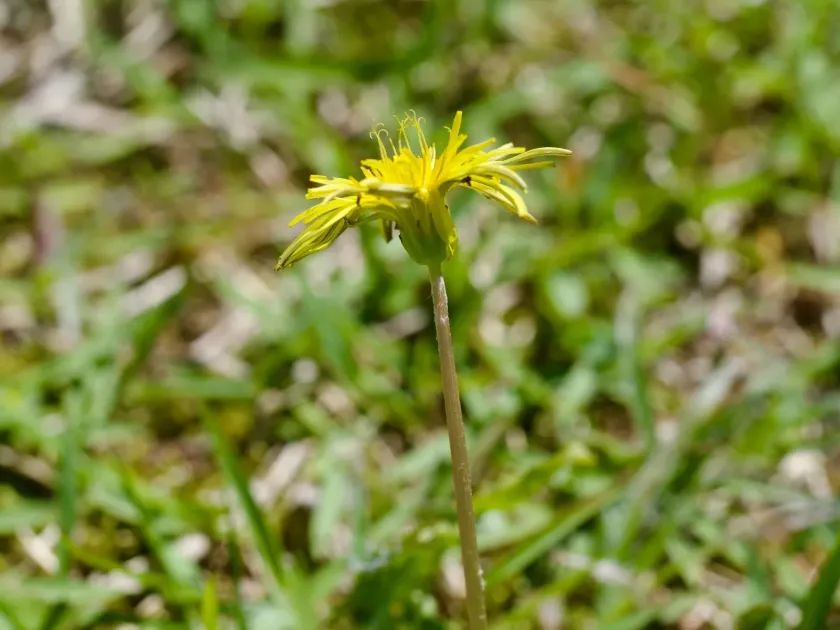
Description
Sowing dates
The Japanese dandelion, a member of the Asteraceae family, is a perennial plant commonly propagated via seeds. Sowing is typically carried out in early spring, once the soil has warmed sufficiently for germination.
Seeds are small and require a shallow sowing depth of approximately 0.5 to 1 centimeter to ensure they receive adequate light for the induction of biological processes. Surface firming after sowing is essential to maintain moisture contact.
Row spacing should be maintained between 30 and 45 centimeters to provide enough space for root development and facilitate manual or mechanical weeding throughout the season.
The plant spends its first year establishing a vegetative rosette. During this phase, it is crucial to ensure that seedlings are not crowded by weeds, which could easily outcompete the young dandelion plants.
Consistent moisture levels are critical during the germination stage. If rainfall is insufficient, irrigation should be applied to prevent the drying out of the upper soil layer.
Growing requirements
This crop thrives in well-drained, fertile soils with a loose texture. Heavy clay soils should be amended with organic matter to improve aeration, which is vital for the proper development of the taproot.
Full sunlight is a requirement for optimal photosynthesis and the production of secondary metabolites. The plant demonstrates high tolerance to varying climates but performs best in temperate conditions.
Soil pH should ideally be neutral or slightly alkaline. In areas with highly acidic soils, liming is recommended prior to planting to enhance nutrient availability for the growing crop.
Regular inter-row cultivation is necessary to keep the soil aerated and weed-free. This practice significantly increases the overall vigor and yield potential of the dandelion field.
While the plant is hardy, it benefits from moderate fertilization. A balanced NPK fertilizer application, emphasizing phosphorus, promotes strong root structure and improves overall resilience to environmental stress.
Main diseases and pests
Fungal diseases such as powdery mildew are the most common threats to the foliage. These typically occur during periods of high humidity and poor air circulation within the plant canopy.
Root rot is a significant risk, particularly in areas with poor drainage or excessive water accumulation. Ensuring proper soil structure is the primary defense against such pathogens.
Aphids are the primary insect pest, often clustering on the tender stalks and leaves. Integrated pest management, focusing on beneficial insects, is the preferred method for control.
Soil-borne larvae may occasionally damage the root system. Field sanitation, including the removal of crop residues after harvest, helps to break the lifecycle of many harmful pests.
Monitoring crops for early signs of disease is essential. Timely intervention with appropriate treatments can prevent widespread outbreaks and ensure the health of the entire crop population.