
Ixeris polycephala
Ixeris polycephala
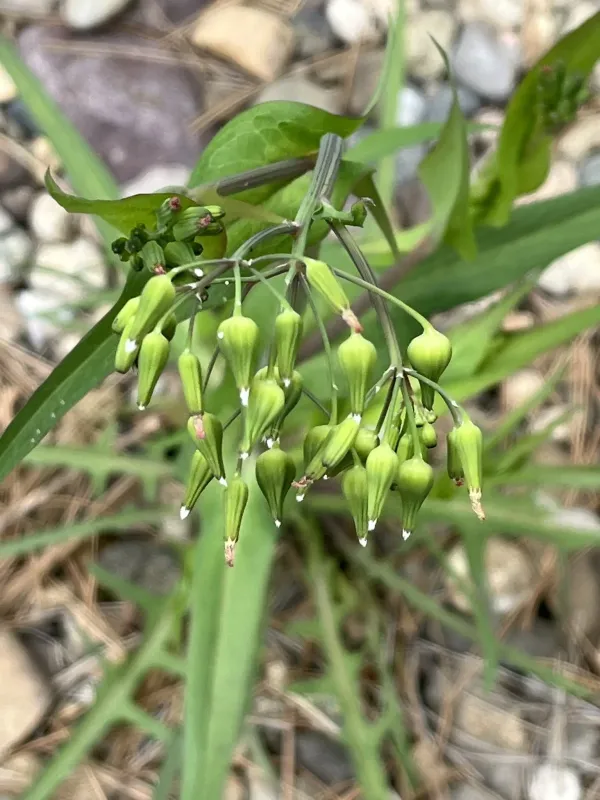
Description
Sowing dates
Ixeris polycephala belongs to the Asteraceae family and is an annual herbaceous plant typically propagated by seeds. It is well-suited for cultivation in temperate climates.
The sowing process requires well-prepared, loose soil. Seeds should be sown in early spring as soon as the soil temperature reaches at least 15°C.
A shallow sowing depth of 1 to 2 cm is recommended to ensure rapid emergence. Uniform spacing is crucial to prevent competition for light and nutrients.
In industrial settings, row seeding is preferred to facilitate mechanical weeding and ensure uniform growth across the field.
The plant demonstrates high germination rates, making it an efficient crop to establish from seed within a single growing season.
Growing requirements
The crop thrives in fertile, well-drained loamy soils. It is essential to avoid sites with water stagnation, as the root system is sensitive to excess moisture.
Full sun exposure is necessary for optimal biomass production. Shaded areas may result in leggy plants and reduced yield quality.
Ixeris polycephala is moderately drought-tolerant but responds positively to consistent irrigation during its rapid vegetative growth phase.
Soil aeration via periodic inter-row cultivation is vital for healthy root development and efficient nutrient uptake.
The crop does not require extreme fertilization but benefits from a balanced application of nitrogen and phosphorus in the early growth stages.
Yield
Ixeris polycephala is utilized for both forage production and medicinal purposes, as its chemical composition includes beneficial glycosides.
In livestock farming, it can serve as a supplemental green feed, though it is usually mixed with other forage plants to improve palatability.
Medicinal raw material is gathered by harvesting the aerial parts of the plant, which are known for their therapeutic properties in traditional practices.
Yields are maximized by harvesting at the late budding stage, which ensures a high concentration of nutrients and active compounds.
Seed production is prolific, allowing growers to easily maintain their own seed stock for subsequent seasons without heavy dependency on external suppliers.
Main diseases and pests
The plant is susceptible to common Asteraceae pests, such as aphids, which can cause significant damage to young shoots and leaves.
Fungal diseases like powdery mildew are the primary risks, especially in regions with high humidity and poor air circulation.
Root rot can occur if soil management is neglected, making proper drainage a mandatory aspect of agrotechnical practice.
Weed control is essential in the early stages of development, as the seedlings can be easily overwhelmed by faster-growing competitive vegetation.
Integrated pest management, including regular inspection and sanitation, is recommended to keep the crop healthy and productive.
Harvesting
Harvesting for fodder should be timed before the plants become too fibrous, typically when the first flower buds appear.
For medicinal use, the aerial parts are cut and dried immediately in shaded, well-ventilated areas to preserve the integrity of the chemical compounds.
Seed collection requires careful timing; the seed heads should be harvested when they turn brown but before the seeds disperse due to wind.
Once dried, the seeds should be cleaned, graded, and stored in a cool, dry environment to maintain long-term viability.
Efficient harvest management is the key to maintaining the high quality required for both the animal feed and the herbal raw material markets.