
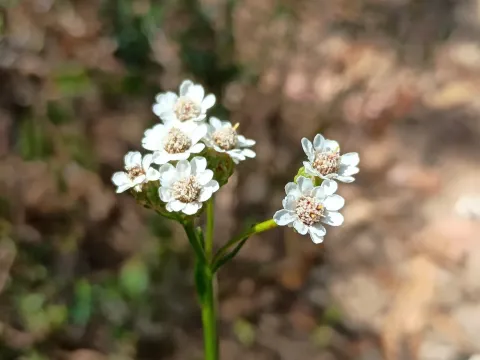
Ixodia
Ixodia
Sowing Ixodia seeds is best done in late winter or early spring using a controlled indoor environment to raise healthy seedlings. It is essential to maintain a stable germination temperature between 18–20 degrees Celsius to ensure successful emergence.
What the section contains

Ixodia
Transplanting seedlings into open ground should only occur after all risks of frost have passed. Ixodia requires warm soil to establish effectively, so planting into cold ground is highly discouraged and can stunt growth.
When sowing, utilize a light, well-draining substrate enriched with sand or perlite. Since the seeds are quite small, they should not be buried deeply; a light dusting of soil or vermiculite is sufficient for cover.
Allow enough space between plants, typically around 20–30 centimeters. Proper spacing is necessary to ensure adequate airflow and to prevent excess humidity buildup around the stems and foliage.
While seedlings require consistent moisture for optimal growth, waterlogging is a primary concern as it can lead to root rot. Ensuring an effective drainage layer in pots or beds is a critical step in the setup.
Ixodia belongs to the Asteraceae family and is recognized as a perennial herbaceous plant or subshrub. Originally native to South Australia, it has evolved to thrive in arid climates and high-intensity sunlight.
The plant prefers open, fully illuminated areas, as shade causes stems to become leggy and lose their ornamental appeal. Choosing a spot with direct sun is the most important factor for achieving vigorous, healthy flowering.
Soil requirements revolve primarily around drainage. Ixodia does not tolerate water retention well, so on heavy clay soils, incorporating drainage materials like coarse sand or small gravel is essential for long-term health.
The soil pH should be neutral to slightly acidic. Ixodia is generally not demanding in terms of nutrient content and can flourish in poor, sandy soils, provided that the drainage conditions are met correctly.
In temperate climates, Ixodia is frequently grown as an annual because it lacks the cold hardiness required to survive winter conditions in open ground without specialized protection or greenhouse housing.
The primary measure of yield for Ixodia is the quantity and quality of inflorescences suitable for floral decoration. Proper maintenance throughout the summer season is the key to achieving prolific flowering.
Productivity is directly linked to the timely pinching of stem tips during the active growth phase. This practice stimulates bushiness and significantly increases the total number of flower heads per plant.
Consistent application of balanced fertilizers with reduced nitrogen levels promotes the development of sturdy flower stalks. An excess of nitrogen encourages excessive foliage growth at the expense of flower quality.
Experienced growers often suggest harvesting flowers when they are partially open to stimulate the formation of new buds. This technique effectively extends the period of decorative appeal until late autumn.
The shelf life of dried flowers depends heavily on drying techniques. Inflorescences harvested at the correct stage and dried in a cool, dark, and airy room retain their shape and color for several years.
The greatest threat to Ixodia is fungal infection resulting from excessive humidity and poor ventilation. Root rot is the most common issue that can cause total crop failure if soil conditions are not monitored.
Pests such as aphids and spider mites can cause significant damage to young shoots. Regular inspections and the use of biological insecticides allow for effective population control without harming the plant's health.
Powdery mildew also poses a threat during periods of drastic temperature fluctuations and high humidity. Preventive measures include strictly avoiding overhead watering and maintaining proper planting density.
To prevent the spread of infections, all damaged or withered plant parts should be removed and disposed of immediately. Maintaining high standards of site hygiene is the cornerstone of effective pathogen control.
Applying preventative fungicides during the early seedling stages significantly boosts the plant's natural immune response to unfavorable environmental stressors.
Harvesting Ixodia for dried flower use must be performed during dry, sunny weather. The optimal time for cutting is when the flowers are fully developed but have not yet begun to fade or drop their color intensity.
It is best to cut in the early morning hours, once any morning dew has completely evaporated. This ensures the best preservation of petal structure and prevents mold during the drying process.
After harvesting, stems should be gathered into loose bundles to allow air circulation around each flower. Drying should be done in an upside-down position in a dark, dry, and well-ventilated room.
It is crucial to avoid exposing the drying bunches to direct sunlight, as UV radiation will lead to pigment fading and the loss of the natural, vibrant color that makes Ixodia highly valued.
Once dried properly, the flowers can be stored in boxes or arranged in decorative displays. Following the correct harvest and drying procedure ensures the long-term durability and beauty of the botanical material.