
Ixeris laevigata
Ixeris laevigata
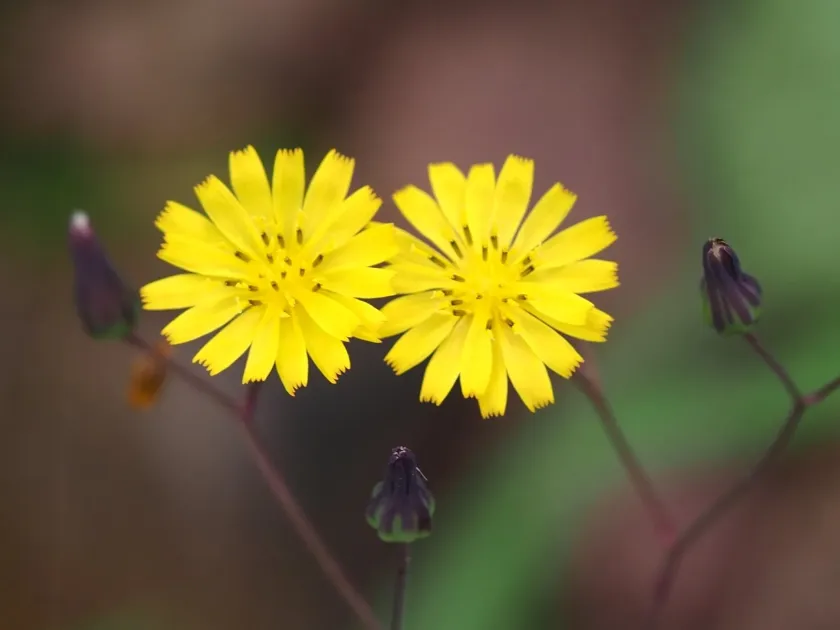
Description
Sowing dates
Ixeris laevigata, a member of the Asteraceae family, is a herbaceous plant with potential agricultural value as a fodder or specialized cover crop. Planting should be initiated in the spring when soil temperatures consistently reach at least 10 to 12 degrees Celsius to ensure uniform germination.
The seeds are relatively small and require shallow sowing at a depth of 1 to 2 centimeters to ensure adequate exposure to light, which is crucial for the germination process. When establishing a field, a row-spacing of 30 to 45 centimeters is recommended to facilitate proper development and management.
Preparation of the seedbed is critical; the soil must be fine-tilled, leveled, and free from competitive weeds. Rolling the field after sowing helps improve seed-to-soil contact, which is particularly beneficial in preventing the soil surface from drying out too rapidly.
Seedlings typically emerge within two weeks, provided moisture levels are maintained consistently during the early developmental stages. This period is the most vulnerable time in the plant life cycle, requiring vigilance against weed encroachment that can easily suppress young Ixeris plants.
In regions with milder winters, late autumn seeding is possible, allowing the plants to naturally undergo vernalization in the soil. This practice often results in more vigorous growth and an earlier arrival at the flowering stage in the subsequent growing season.
Growing requirements
Ixeris laevigata performs best in well-lit, sunny environments, as shade tends to promote excessive stem elongation at the expense of leaf biomass. It shows a preference for loose, loamy soils with a neutral pH level, which provide the best balance of aeration and nutrient availability.
The plant demonstrates moderate drought tolerance but produces maximum biomass when the soil moisture is maintained at approximately 60 to 70 percent of field capacity. Consistent water management is essential for optimizing the yield of high-quality green matter.
Nutrient requirements should be met through balanced fertilization, particularly with nitrogen, which supports the rapid vegetative growth cycle of the plant. Incorporating well-rotted organic matter into the soil profile prior to planting enhances soil structure and water retention.
The ideal temperature range for active growth is between 18 and 25 degrees Celsius. While Ixeris laevigata is hardy enough to survive moderate temperature fluctuations, prolonged exposure to extreme heat can accelerate the plant transition into the reproductive phase, reducing vegetative yield.
Proper drainage is essential because the species does not tolerate waterlogging, which can easily damage the root system and inhibit nutrient uptake. A soil test prior to planting is recommended to confirm the absence of saline conditions, which can hinder the plant development significantly.
Main diseases and pests
Like many plants in the Asteraceae family, Ixeris laevigata is susceptible to fungal infections such as powdery mildew and various types of rust. These diseases often emerge under conditions of high humidity and restricted airflow within the plant canopy.
Insect pests, including aphids and leaf-eating beetles, represent the most significant threat to the vegetative productivity of the crop. These pests can rapidly decrease the photosynthetic area of the leaves, directly impacting the overall vigor of the plant population.
Integrated pest management strategies are highly recommended, starting with rigorous crop rotation to break the life cycles of soil-borne pathogens. Avoiding consecutive planting of Ixeris in the same location is a vital step in maintaining field health.
Biological control agents, such as beneficial insects or microbial pesticides, should be the first line of defense against pest outbreaks. These methods preserve the safety of the green matter, especially if the crop is intended for livestock consumption or agricultural feed use.
Routine field sanitation, including the removal of debris and invasive weeds, helps reduce the habitats of potential pests. Combining these practices with regular monitoring ensures that any issues are detected early, preventing widespread crop failure or loss of yield quality.
Harvesting
The harvest phase is most effective during the budding stage, when the nutrient content, including proteins and essential vitamins, is at its peak. Delaying harvest until the full bloom phase leads to increased stem lignification and a decline in palatability for livestock.
Mowing should be performed at a height of 5 to 7 centimeters above the soil line to allow for rapid regrowth of the plant. Depending on the soil fertility and water availability, it is possible to achieve two to three cuts during a single growing season.
Immediately after cutting, the material should be processed or dried to prevent fermentation and spoilage. Proper tedding ensures the green matter loses excess moisture efficiently, resulting in hay with a stable moisture content of 15 to 20 percent.
If the goal is to harvest seeds, collection should occur when the flower heads transition to a brownish color, indicating that the seeds are approaching maturity. Since seeds may shatter easily, timing is critical to prevent significant losses directly in the field.
Post-harvest handling involves drying the seeds in well-ventilated areas to a moisture level of 10 to 12 percent. Proper storage in cool, dry, and rodent-proof containers is necessary to maintain the long-term germination viability of the seed stock.