
Ixeris tamagawaensis
Ixeris tamagawaensis
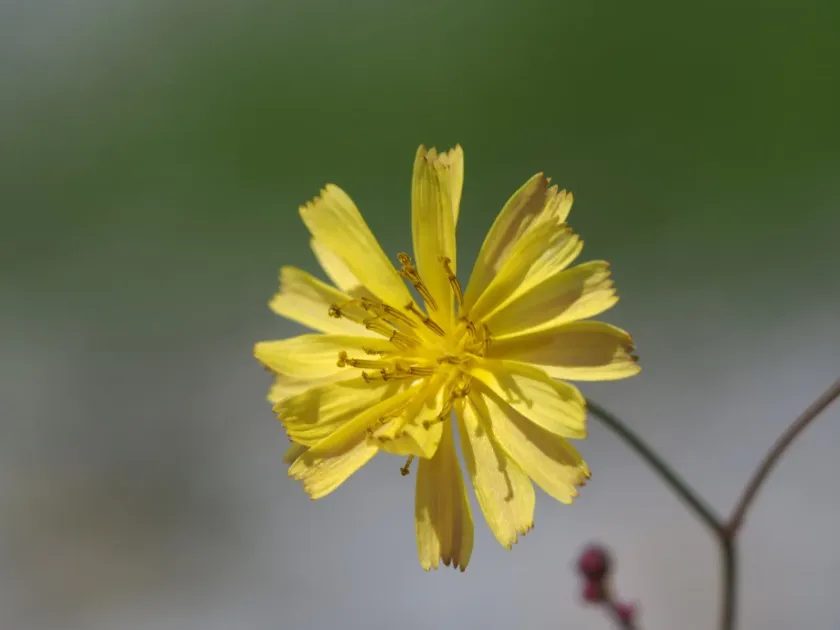
Description
Sowing dates
The sowing of Ixeris tamagawaensis seeds is ideally carried out in early spring once the soil temperature consistently reaches 15-18 degrees Celsius.
It is recommended to stratify the seeds for approximately six weeks in a cold environment to break dormancy and ensure high germination rates.
Seeds should be sown shallowly, at a depth of about 0.5 centimeters, as they require light to germinate effectively and should not be buried deep.
When sowing in rows, spacing of 30 centimeters between rows is advised to allow for proper airflow and ease of maintenance during the growth phase.
Regular irrigation should be maintained during the first few weeks after sowing to ensure the soil remains moist until seedlings are well established.
Growing requirements
Ixeris tamagawaensis, a member of the Asteraceae family, thrives in well-drained, sandy-loam soils with a neutral or slightly acidic pH level.
Full sun exposure is crucial for the healthy development of this species, as it requires significant light intensity to promote robust growth and flowering.
While the plant is somewhat drought-tolerant once mature, it requires consistent watering throughout the peak summer months to maximize biomass production.
The ideal temperature range for active growth is between 20 and 25 degrees Celsius, with moderate humidity levels being preferred by the plant.
Improving soil fertility with well-composted organic matter prior to planting provides the necessary nutrients for sustained plant health and vigor.
Main diseases and pests
Powdery mildew is the most common fungal disease associated with this crop, particularly in environments with poor air circulation and high humidity levels.
Root rot, caused by waterlogged soil conditions, poses a significant threat and can be mitigated by ensuring proper drainage in the planting area.
Aphids often target young, succulent foliage, and if left untreated, they can cause stunted growth and weaken the plant's overall vitality.
Spider mites may become problematic during periods of hot, dry weather, necessitating periodic inspections and occasional water misting or targeted treatment.
Integrated pest management, including regular weeding and the removal of infected debris, is the best strategy to maintain a healthy and productive crop.
Harvesting
The harvest should be conducted during the plant's flowering phase when the concentration of essential secondary metabolites is at its peak levels.
Plants should be cut using sharp agricultural tools at a height that avoids damaging the basal foliage to ensure the plant remains healthy for regrowth.
Immediate post-harvest processing involves moving the collected material to a shaded, well-ventilated area to initiate the drying process efficiently.
Uniform drying is achieved by spreading the plant material in thin layers, which prevents spoilage and preserves the quality of the harvested components.
Once dried to a moisture content of less than 10 percent, the product should be packaged in breathable bags and stored in a cool, dark environment.