
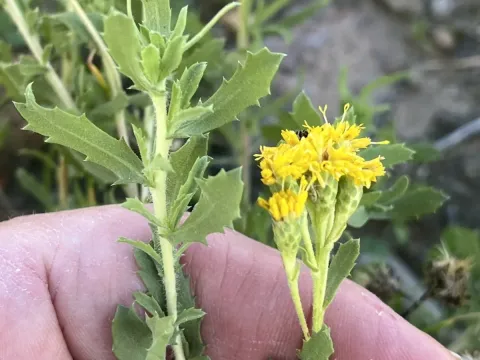
Isocoma
Isocoma
Isocoma is a genus of perennial subshrubs belonging to the Asteraceae family. Known for their resilience, these plants are primarily found in arid and semi-arid environments across the Southwestern United States and Northern Mexico.
What the section contains


Isocoma
The plant has adapted to harsh environmental conditions, including intense solar radiation and minimal rainfall. It typically colonizes open spaces, rocky outcrops, and alkaline desert soils where competition from other vegetation is limited.
Soil requirements for Isocoma involve excellent drainage and tolerance to high salinity levels. It is not typically cultivated as a commercial crop but serves as a critical component in ecological restoration and soil stabilization projects.
Botanically, the plant features woody bases and slender, resilient stems. Its foliage is designed for water conservation, often exhibiting specialized textures to reduce transpiration during peak summer temperatures.
The lifecycle of the plant is geared toward survival in extreme heat, with flowering periods often occurring late in the season to capitalize on moisture storage. It acts as an important nectar source for local pollinators in desert ecosystems.
The primary threats to the health of Isocoma populations include root rot pathogens, which thrive when moisture levels in the soil exceed the plant's tolerance threshold. Improper irrigation in managed settings is a leading cause of mortality.
Various insects and mites can impact individual plants, though large-scale infestations are rarely observed outside of stressed environmental conditions where natural defenses are lowered.
In agricultural settings, particularly in rangelands, Isocoma can be considered a management concern. Its ability to proliferate on degraded lands can lead to it outcompeting more nutritious forage plants, necessitating control measures.
Invasive pathogens or localized pests are typically managed through habitat maintenance and ensuring proper drainage rather than chemical intervention, which is rarely cost-effective for this species.
Long-term survival and health of the stands depend on preventing soil compaction and ensuring that the natural hydrological cycles of the arid habitat remain undisturbed by human activity.