
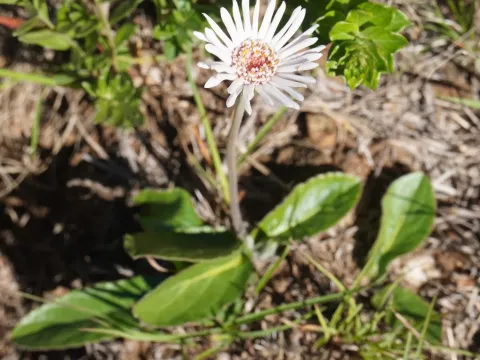
Green-leaved gerbera
Gerbera viridifolia
Green-leaved gerbera (Gerbera viridifolia) is a perennial herbaceous plant belonging to the Asteraceae family. Known for its distinct botanical structure, it features a basal rosette of vibrant green leaves and serves as a significant subject for both ornamental research and plant breeding programs.
What the section contains
Green-leaved gerbera
The species is native to the grassland regions of Southern and Eastern Africa. In agricultural settings, it requires a growing environment that replicates its natural habitat, emphasizing the importance of well-drained, nutrient-rich, and slightly acidic substrate composition.
Optimal growth depends heavily on controlled temperature ranges. The plant thrives best in temperatures between 20 and 25 degrees Celsius. Consistent climate management is essential to prevent physiological stress and to promote high-quality foliage development throughout the season.
Light requirements are substantial; the crop needs intense but diffused light to sustain photosynthetic activity. Supplemental lighting is often utilized in commercial greenhouses during winter months to maintain vigorous vegetative growth and prevent plant etiolation.
Irrigation must be managed with precision using drip systems to ensure consistent soil moisture without saturating the crown. Proper ventilation and humidity control are crucial, as maintaining a relative humidity of approximately 70 percent helps optimize plant health.
Fungal diseases, including Botrytis and Phytophthora, are the primary threats to crop viability. These pathogens thrive in high-humidity conditions and stagnant air, making consistent monitoring and environmental control the most important preventative measures.
Pests such as spider mites and thrips pose significant risks to plant productivity. Spider mites typically damage the underside of the leaves, whereas thrips cause mechanical damage and can act as vectors for various destructive plant viruses.
Powdery mildew is a common concern characterized by a white fungal coating on the leaves, usually triggered by sudden temperature shifts. Fungicidal applications, combined with improved airflow, are standard strategies for managing and eliminating such outbreaks.
Root nematodes can cause severe growth suppression and chlorosis, significantly impacting the aesthetic and commercial value of the crop. Implementing sterile soil practices and healthy crop rotation is vital to mitigate the spread of soil-borne pests.
An integrated pest management approach, utilizing both biological controls and targeted chemical treatments, is recommended. Regular scouting and early detection are essential to keep the crop healthy and to avoid large-scale infestations within a production facility.