
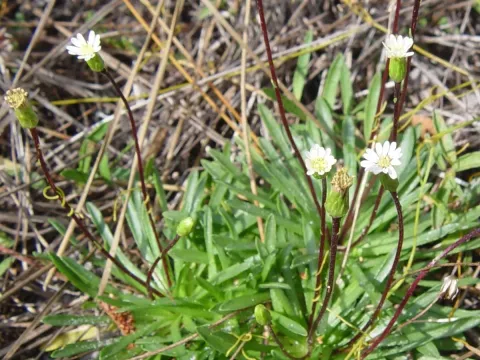
Grisebach's aster
Aster grisebachii
Sowing Grisebach's aster seeds is best performed in early spring once the soil has sufficiently warmed up. For greenhouse cultivation, starting seeds in March allows for well-established seedlings ready for outdoor transplanting as soon as the danger of frost passes.
What the section contains
Grisebach's aster
When seeding directly into the open field, ensure the planting depth does not exceed 0.5 to 1 cm. Shallow planting is crucial as the seeds require sufficient exposure to light to trigger the germination process effectively.
Consistent soil moisture is essential during the emergence phase. Using a light cover or cloche can help maintain the stable microclimate needed for healthy seedling development, especially in volatile spring weather.
Thinning should be performed once the seedlings develop their second set of true leaves. Proper spacing of 30–45 cm between individual plants is necessary to ensure adequate airflow, which is critical for the long-term health of the crop.
Vegetative propagation via root division is a highly effective alternative to seeding. This method is best undertaken during the dormant period in early spring, ensuring that the divisions have ample time to establish roots before the summer heat.
Grisebach's aster belongs to the Asteraceae family and is known for its resilience and ornamental value. It thrives in open, sunny locations where it can receive at least six to eight hours of direct sunlight daily.
The plant prefers well-drained, fertile soil with a neutral to slightly alkaline pH. If the existing soil is heavy clay, incorporating organic matter or coarse sand will significantly improve drainage and root penetration.
Although the plant is somewhat drought-tolerant once established, regular watering is necessary during the flowering stage. Avoiding overhead irrigation can help prevent leaf diseases caused by moisture trapped on the foliage.
Fertilization with a balanced, slow-release nutrient formula in early spring supports strong stem development. Avoiding excessive nitrogen during late summer is advisable, as it can cause leggy growth that is prone to lodging.
Winter hardiness is a notable feature of this species. In colder climates, adding a layer of mulch around the base of the plant provides vital insulation to the root zone against freezing temperatures and soil heaving.
Powdery mildew represents the most significant fungal threat, especially in humid or poorly ventilated conditions. It presents as a white, dusty growth on the leaves, which can reduce the plant's ability to photosynthesize effectively.
Fusarium wilt is a dangerous soil-borne disease that can cause sudden wilting and death of the plant. Maintaining strict crop rotation and avoiding planting in areas previously occupied by other Asteraceae species is the best preventative strategy.
Aphids and spider mites are the most common insect pests associated with this crop. They feed on plant sap, and in high concentrations, they can cause yellowing, leaf distortion, and stunted flower development.
Gastropods, such as slugs and snails, can cause significant damage to young shoots during damp spring nights. Implementing manual control measures or eco-friendly barriers can effectively mitigate the damage without harming beneficial insects.
Sanitation practices, including the removal of dead or infected plant debris, are essential for disease control. By keeping the growing area clean, the risk of pathogen buildup in the soil is greatly minimized, leading to healthier plants.