
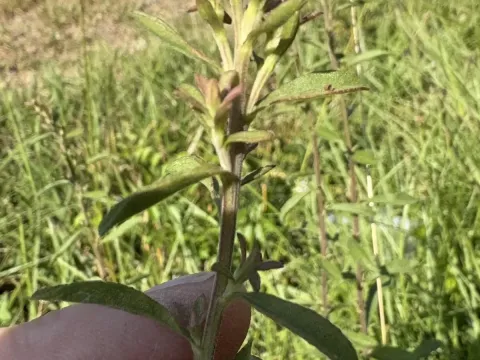
Gray goldenrod
Solidago nemoralis
Gray goldenrod (Solidago nemoralis) is a perennial herbaceous plant belonging to the Asteraceae family. Sowing is typically performed in late autumn or early spring, as the seeds require a period of cold stratification to break dormancy.
What the section contains
Gray goldenrod
For container-grown starts, sow seeds on the surface of moist, light substrate in late winter. Provide consistent moisture and keep the trays at a moderate temperature until germination, which usually takes two to three weeks.
When direct seeding in the field, space rows at least 50 centimeters apart to allow for proper development of the root system. Ensure seeds have good contact with the soil, pressing them gently rather than covering them deeply with dirt.
Seedling emergence is slow and steady. During the first growing season, the plant focuses primarily on vegetative growth and establishing a deep root system, making competition from weeds the primary challenge during this phase.
Thinning is necessary if the stands are too dense. Maintaining a spacing of 30 centimeters between individual plants within rows ensures sufficient airflow, which is critical for minimizing the risk of fungal outbreaks later in the season.
This species thrives in well-drained, nutrient-poor, and sandy soils. It is naturally adapted to dry prairies and open woodlands, making it an excellent choice for areas with low rainfall or limited irrigation capabilities.
Full sun exposure is a mandatory requirement for Gray goldenrod. While it can survive in partial shade, such conditions significantly reduce stem vigor and the intensity of the golden-yellow flowering display characteristic of the species.
Soil pH should ideally remain between 6.0 and 7.5. The plant exhibits high tolerance to soil acidity, but drainage is the most vital factor; heavy, clay-based soils that retain moisture will cause root rot and rapid plant decline.
Fertilization is rarely necessary and, in many cases, can be detrimental. Excess nitrogen promotes rapid, weak stem growth that may cause the plants to lodge or become susceptible to pest infestations.
As a hardy perennial, it handles cold winter temperatures without special protection. It goes dormant after the first frost, and its root system remains protected underground, ready to sprout again when spring temperatures rise.
Gray goldenrod is generally resistant to many common pests, but powdery mildew remains the most significant disease threat, particularly in humid climates. Proper spacing and airflow are the best preventive measures.
Aphids and spittlebugs may occasionally target new growth. These pests extract sap, which can cause leaf curling. Regular field monitoring is advised during the peak growing months to catch these infestations before they reach economic levels.
Root rot is the most serious threat, almost exclusively caused by poorly drained soils or excessive rain coupled with tight soil structure. Once root rot takes hold, there are no effective cures, and the plants must be removed.
Weed management is vital during the establishment year. Young goldenrod plants cannot outcompete aggressive weeds, so consistent mechanical cultivation between the rows is recommended until the plants reach a canopy-forming stage.
In cases of severe pest outbreaks, selective organic pesticides can be used. However, because the flowers are highly attractive to bees and other pollinators, chemical usage should be strictly limited and timed to avoid blooming periods.
Harvesting for commercial purposes should occur during the peak bloom stage, usually in late August or early September. This is when the concentration of beneficial secondary metabolites in the inflorescences is at its highest.
Use sharp harvesting equipment to cut the flowering stems about 15 centimeters above the ground. This preserves the crown of the plant and allows it to effectively store energy in its rhizomes for the following year's growth.
Drying must be conducted in dark, airy rooms to preserve the yellow pigment and volatile compounds. Temperatures above 45°C should be avoided, as they will cause the degradation of essential oils and other sensitive plant chemicals.
Post-harvest processing involves stripping leaves if only the flowers are required, or bundling the stems if the entire biomass is needed. Proper sorting ensures the product meets market quality standards.
Storage should be in a cool, dry, and dark environment. Use breathable containers such as paper sacks to prevent moisture buildup and mold, which can destroy the harvested material in a matter of days.