
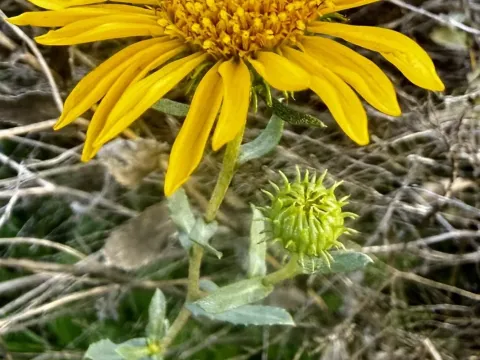
Grindelia
Grindelia
Grindelia is a perennial herbaceous plant belonging to the Asteraceae family. The seeds of the crop are characterized by moderate germination rates, so it is recommended to use stratified seeds for sowing into warmed soil.
What the section contains

Grindelia
The optimal time for field sowing occurs in the spring, once the threat of late frosts has passed. To ensure high-quality emergence, the soil must be carefully prepared and kept free of weeds.
The sowing depth should not exceed 1–2 centimeters due to the small size of the seeds. Seedlings typically emerge when the average daily soil temperature reaches approximately 15–18 degrees Celsius.
Cultivation via transplants is possible, which shortens the vegetation period and allows for harvest in the first year. Transplants should be moved to the open field at the 3–4 true leaf stage.
The planting scheme should allow for the development of the leaf rosette, so maintaining row spacing of 45–60 centimeters is recommended.
The crop has moderate soil fertility requirements, preferring light sandy or loamy soils with a neutral pH level. Grindelia is known for its high drought tolerance, making it a promising option for regions with low precipitation.
The plant is heliophilic and requires open, sunny locations to accumulate maximum amounts of biologically active substances. Shading slows down vegetative development and reduces the concentration of resinous compounds.
Proper drainage is a crucial factor for successful cultivation, as Grindelia is highly sensitive to waterlogging in the root system during the autumn and winter seasons.
The plant generally withstands low temperatures if there is snow cover, but in snowless winters with severe frosts, additional protection for the plants may be necessary.
Standard agronomic practices include regular weeding and inter-row cultivation to improve soil aeration and prevent competition from weeds during the early growth stages.
The yield of Grindelia biomass depends directly on the level of crop management and local climatic conditions. On average, a hectare of plantation can produce up to 2–3 tons of dry plant material.
The primary harvest target is the upper stem portion with flower heads, which contain valuable resins and diterpene acids. Harvesting takes place during full bloom when the concentration of active components peaks.
Productivity can be significantly increased through intensive management and regular fertilization with balanced micronutrients. Ensuring adequate mineral availability is essential for high-quality production.
The biological productivity of the plant allows for harvesting on the same site for 3–4 years, after which the plantation should be replanted to maintain varietal purity.
The economic viability of the crop is driven by the demand from pharmaceutical companies for specific resinous extracts derived from the flower heads of Grindelia.
Grindelia is generally considered a disease-resistant plant, but under high humidity, it is prone to fungal infections of the root system and foliage.
Potential pathogens include powdery mildew, which may manifest during periods of rapid temperature fluctuations and high humidity in the summer months.
Among pests, leaf-eating insects and aphids that feed on the sap of young flower stalks pose the greatest danger. Biological control methods are recommended for managing pest populations.
Root rot can result from overwatering or selecting a planting site with heavy, poorly drained soil. Prevention focuses on crop rotation and maintaining proper soil moisture levels.
Monitoring the crop is essential on a weekly basis, especially during the budding phase, to prevent the spread of pests and diseases across the plantation.
Harvesting Grindelia requires strict adherence to timing, as the chemical composition changes significantly during seed maturation. The optimal time is during the active flowering phase when the flower heads become sticky due to resin secretion.
The harvested material must be dried quickly to preserve the biological activity of the compounds. Drying should occur in well-ventilated areas or specialized dryers at temperatures not exceeding 45 degrees Celsius.
Mechanized harvesting is possible using mowers set to cut the upper portions of the plants at a height of 15–20 centimeters above the soil surface.
After drying, the raw material is cleaned of impurities and processed into the required particle size according to industrial standards.
Stored raw material should be kept in dry, dark, and cool warehouses using paper or cloth bags to prevent the oxidation of active ingredients.