
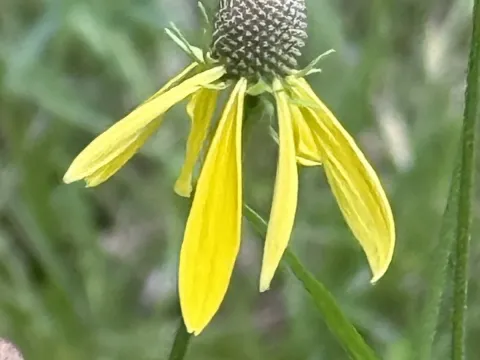
Gray-headed coneflower
Ratibida pinnata
Ratibida pinnata, commonly known as the gray-headed coneflower, is a hardy perennial member of the Asteraceae family. For optimal germination rates, seeds should be sown in the fall to undergo natural cold stratification during winter.
What the section contains
Gray-headed coneflower
If sowing in the spring, it is essential to provide artificial cold stratification for at least 30 days to break seed dormancy. Without this treatment, germination remains low and uneven across the field.
The seeds require light to germinate; therefore, they should be surface-sown or covered with a very thin layer of substrate. Pressing the seeds firmly into the soil ensures good seed-to-soil contact without hindering light access.
When establishing large plots, a seed drill calibrated for small, light seeds is recommended. The spacing between rows should be maintained at 50–70 cm to allow for efficient weed control during the establishment phase.
Once established, the plant exhibits strong perennial traits and will return annually, provided the crown of the plant is not damaged during maintenance operations or severe winter cycles.
Originating from the North American prairies, this plant is exceptionally well-adapted to harsh environmental conditions, including extreme summer heat and extended droughts.
Full sun exposure is a mandatory requirement for productive farming of this species. Even partial shade can lead to leggy growth, weak stems, and significantly reduced flower production.
The species is tolerant of a wide range of soil types, including poor, rocky, or clay-heavy soils, as long as they provide adequate drainage. It performs best in neutral to slightly alkaline pH levels.
Fertilization should be kept to a minimum. Excessive nutrients often promote vegetative growth at the expense of floral development and can reduce the plant's natural resistance to environmental stress.
During the first year of growth, supplemental irrigation may be necessary to ensure the root system is well-developed. By the second year, the plant is typically self-sufficient and requires little to no irrigation.
Ratibida pinnata is generally robust and rarely suffers from major disease outbreaks, making it a sustainable choice for low-input agricultural systems and ecological restoration projects.
However, in stagnant or poorly ventilated sites, foliage may occasionally develop powdery mildew. Improving air circulation around the plants is usually the best remedy for this issue.
Root rot is the most serious threat, occurring only when the plant is grown in standing water or saturated soil. Ensuring well-drained conditions is the primary preventive measure against all soil-borne pathogens.
Insects like aphids may appear on the tender buds early in the season, but they rarely cause significant economic damage that would warrant widespread chemical control measures.
Integrated pest management strategies focusing on promoting beneficial insects are highly effective for this crop, as the plant serves as an excellent resource for various native pollinators.