
Epaltes divaricata
Epaltes divaricata
Description
Growing requirements
Epaltes divaricata is an annual herbaceous plant belonging to the Asteraceae family. This species is native to tropical Asia, particularly flourishing in regions like India and Southeast Asia, where it is often found in wetlands and marshy agricultural fields.
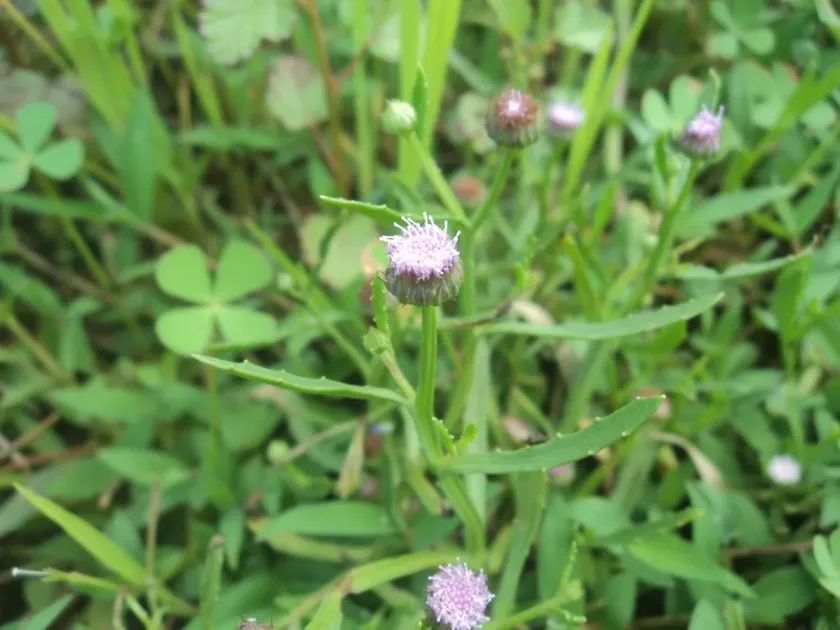
The plant is biologically characterized by its spreading, divaricating branching pattern and small, compact flower heads. As a member of the daisy family, it exhibits typical capitulum inflorescences that are adapted to pollination in tropical environments.
Climatic requirements for this plant are centered on high humidity and warm temperatures. It thrives in tropical climates and is physiologically suited to survive in waterlogged soils, making it a common associate of paddy field ecosystems.
Regarding soil, Epaltes divaricata prefers alluvial or clay-rich soils that retain significant moisture. It requires a substrate with high organic content to sustain its rapid growth phase during the monsoon or wet season.
Cultivation practices involve maintaining high water tables to simulate its natural habitat. The plant requires consistent soil hydration and, while it can tolerate some fluctuations, it remains sensitive to prolonged drought which can severely limit its growth.
Harvesting
The primary economic use of Epaltes divaricata lies in its ethnobotanical applications. It is frequently harvested for its medicinal properties, often incorporated into traditional remedies to address various inflammatory conditions and digestive ailments.