
Epaltes gariepina
Epaltes gariepina
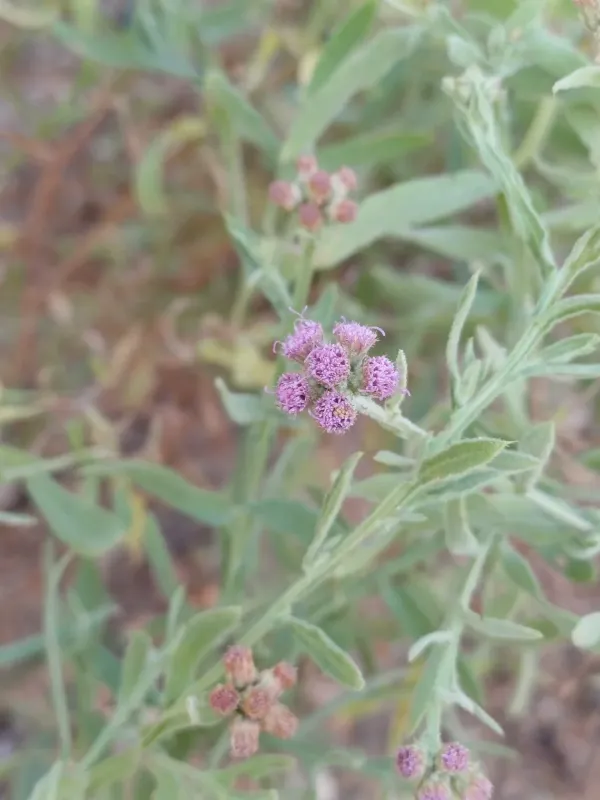
Description
Sowing dates
The plant is endemic to the arid regions of Southern Africa, and its natural life cycle is strictly linked to seasonal rainfall. Under cultivation, seeds are sown just before the onset of the rainy season to ensure optimal germination.
The soil must be warmed to 20-25 degrees Celsius, as the seeds have low germination energy in cold substrates. Surface sowing is recommended because the small seeds require light to initiate growth.
Proper seedbed preparation is vital; the soil should be well-drained and free from weeds. Mulching is suggested to help maintain the necessary moisture levels during the first weeks of seedling development.
Planting density must account for the plant's tendency to bunch in favorable conditions. For commercial farming, wide-row sowing is recommended to facilitate easier maintenance and weeding.
The period from sowing to the appearance of the first true leaves typically ranges from 14 to 21 days, depending on sunlight intensity and stable nocturnal temperatures.
Growing requirements
Epaltes gariepina belongs to the Asteraceae family and is adapted to the extreme climatic conditions characteristic of desert and semi-desert areas.
The crop has low soil fertility requirements, preferring sandy or loamy soils with a neutral or slightly alkaline pH level.
A critical factor is the avoidance of waterlogging in the root zone, as the plant is highly susceptible to fungal diseases if overwatered.
It exhibits high resistance to direct solar radiation and can survive long dry spells due to the specialized structure of its leaves.
For optimal growth, the plant requires an intensive light regime; therefore, shading should be avoided to prevent significant reductions in biological productivity.
Main diseases and pests
The main threat to plantations of this species is root rot, which occurs due to poor irrigation management and excessive humidity levels.
Among pests, spider mites pose the greatest danger, as they multiply rapidly in dry air conditions and feed on the plant's sap.
Leaf-eating insects can cause damage during early growth stages, necessitating regular field monitoring to implement timely protective measures.
To combat phytopathogens, it is recommended to employ preventative methods, such as crop rotation and the removal of plant residues after the harvest.
In greenhouse conditions, strict ventilation control is essential to prevent the development of powdery mildew on the aerial parts of the plant.