
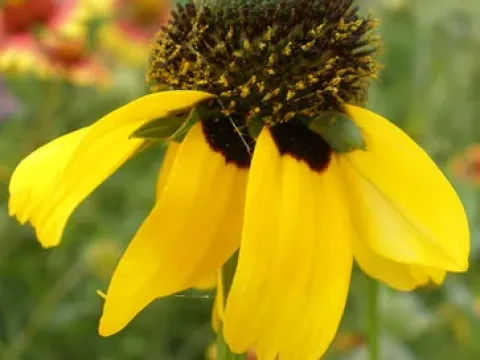
Dracopis
Dracopis
Sowing of Dracopis (Dracopis amplexicaulis) is typically performed in early spring once the risk of frost has passed. The soil must be well-warmed to ensure rapid germination and healthy seedling development.
What the section contains
Dracopis
Seeds should be sown at a shallow depth of approximately 0.5 to 1 centimeter. Providing enough space between plants is essential for airflow, which prevents the development of moisture-related diseases later in the season.
Optimal germination occurs at temperatures between +18 and +22 degrees Celsius. Under these conditions, sprouts usually emerge within 10 to 14 days, requiring constant but moderate soil moisture.
For greenhouse production, sowing begins in late March. Seedlings are then transplanted outdoors once the weather stabilizes, ensuring they are hardened off before the final planting in the field.
Thinning the seedlings is an important step in the early stages of growth to prevent overcrowding, which can hinder the plant's ability to produce robust flowering stems.
Dracopis belongs to the Asteraceae family and is native to the prairies of North America. It thrives in open, sunny environments and is highly intolerant of shade, which directly affects the plant's blooming potential.
The ideal soil for this culture is a fertile, well-drained loam with a neutral pH. Proper drainage is critical to prevent root rot, as the plant does not tolerate waterlogged soil conditions for extended periods.
Watering management should focus on consistency. While Dracopis shows some drought resistance once established, regular irrigation during dry spells significantly increases flower size and stem quality.
Fertilization with balanced NPK formulas during the active growth phase is recommended. This helps the plant build sufficient vegetative mass before moving into its reproductive flowering stage.
Soil cultivation, such as light hoeing, helps maintain aeration and keeps the base of the plant free from competing weeds that might harbor pests or diseases throughout the summer.
Fungal diseases like powdery mildew are the most common threats, especially when humidity levels remain high and plant spacing is too tight for adequate air circulation.
Common insect pests, including aphids, may target the younger tissues of the plant. Monitoring the crops during early development is essential for early detection and intervention.
Integrated pest management, including the use of beneficial insects and the removal of host weeds, is recommended to keep pest populations below the economic threshold of damage.
Fungicidal treatments may be necessary if disease outbreaks occur. Using copper-based or systemic fungicides in accordance with local safety regulations helps protect the crop's health.
Good field hygiene, including the prompt removal of infected plant debris at the end of the season, is the most effective way to prevent the overwintering of pathogens in the soil.
In a commercial context, Dracopis is harvested primarily for its aesthetic appeal. Stems are cut when flowers are in the early stages of opening, ensuring a longer vase life for the final product.
For seed collection purposes, the harvest should be delayed until the seed heads have fully matured and turned brown, indicating that the seeds have reached their maximum physiological potential.
Seeds are harvested manually, dried in well-ventilated areas, and then threshed. It is important to keep the environment dry during this process to avoid microbial degradation.
Storage should be conducted in cool, dry conditions using paper containers to allow for gas exchange, which helps maintain high seed viability for the following growing season.
Post-harvest handling is critical for maintaining the quality of the seed stock. Protecting the seeds from pests and extreme fluctuations in temperature ensures successful germination next year.