
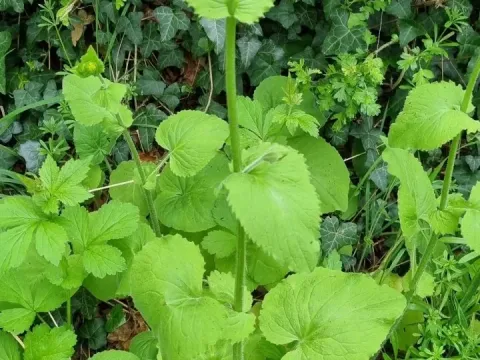
Doronicum pardalianches
Doronicum pardalianches
Doronicum pardalianches, commonly known as leopard's bane, is a herbaceous perennial belonging to the Asteraceae family. It is valued for its bright yellow flowers and ability to thrive in shaded environments where many other plants fail.
What the section contains
Doronicum pardalianches
Propagation is primarily achieved through the division of rhizomes in late summer or early autumn. This ensures the survival of the plant and helps maintain the health of the clump by preventing overcrowding within the root zone.
Seeds can also be sown in autumn to allow for natural cold stratification over the winter months. Spring sowing is possible if the seeds have been cold-treated, though direct division remains the preferred method for home gardeners.
When planting, ensure each clump is spaced at least 30–40 cm apart to provide adequate space for spreading. The plant acts as an efficient ground cover, effectively filling in gaps in shaded borders once established.
Regular division every 3 to 4 years is essential to keep the plant vigorous. If neglected, the clump can become too dense, leading to a significant reduction in flower production and overall plant decline.
Leopard's bane thrives in partial to full shade, mimicking the conditions of forest edges. While it can tolerate more sun in cooler northern climates, it requires consistent moisture to prevent leaf scorch and premature wilting during hot weather.
The soil should be rich in organic matter, moist, and well-drained. Heavy clay soils should be amended with compost or coarse sand to improve drainage, as stagnant water is the primary cause of root rot in this species.
Watering is crucial during the spring flowering season, especially if the weather is unusually dry. Once the plant enters dormancy in mid-summer, water requirements decrease, but the soil should never be allowed to bake into a hard crust.
The species is highly hardy and typically requires no winter protection. However, in regions with extreme temperature fluctuations, a light layer of mulch can help insulate the shallow rhizomes and support early spring growth.
Fertilizing with a balanced, slow-release organic fertilizer in early spring supports healthy foliage and prolific blooming. Avoid heavy synthetic nitrogen applications, which can result in overly lush growth that is more susceptible to disease and pest attack.
Aphids are the most common pests affecting Doronicum pardalianches, often clustering on the undersides of leaves and on flower stalks. They can be managed with insecticidal soap or by introducing natural predators into the garden.
Powdery mildew may occur during damp, humid periods, manifesting as a white, dusty layer on the foliage. Ensuring good spacing between plants is the best way to improve airflow and minimize the risk of infection.
Slugs and snails can cause significant aesthetic damage by feeding on the leaves, especially during rainy seasons. Barrier methods, such as copper tape or organic slug pellets, are effective in protecting the plant's decorative foliage.
Root rot is a major threat caused by poor drainage and excessive moisture. To mitigate this risk, monitor the moisture levels of the soil and ensure that the root zone is not constantly waterlogged during the dormant period.
Root-knot nematodes can weaken the plant, causing stunted growth and yellowing of the leaves. Sanitation, such as removing debris and infected plants, is vital to preventing the spread of these soil-borne pests throughout the garden.