
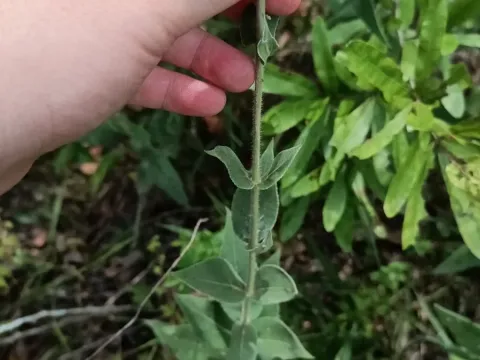
Downy sunflower
Helianthus mollis
Downy sunflower (Helianthus mollis) is a perennial member of the Asteraceae family. Unlike common sunflowers, this species features a rhizomatous growth habit, making it a hardy perennial suitable for long-term cultivation.
What the section contains
Downy sunflower
Seeds should be sown in early spring as soon as the soil temperatures consistently reach 10 degrees Celsius. Early sowing helps the plants establish a strong root system before the onset of intense summer heat.
The optimal seeding depth is approximately 2–3 centimeters. A well-prepared, fine-textured seedbed is essential to ensure uniform germination and to prevent soil crusting issues during emergence.
In the establishment year, the plant invests heavily in its underground biomass. Growers should expect slower top-growth development during this phase, requiring diligent weed control to reduce competition.
For commercial stands, a row spacing of 60 to 80 centimeters is recommended. This allows for efficient mechanical weeding and ensures that each plant has enough space for adequate airflow and sunlight penetration.
The plant thrives in full sun, which is critical for its structural integrity. The signature downy pubescence on the leaves serves as an adaptive mechanism to conserve water in arid environments.
Soil requirements are relatively flexible, but the plant performs best in well-drained, sandy or loamy soils. It cannot tolerate waterlogged conditions, which can lead to root rot in poorly drained areas.
It displays excellent cold tolerance, capable of surviving harsh winters. The root system remains dormant throughout the winter and sends up new, vigorous growth once soil temperatures rise in spring.
Fertilization should be moderate, focusing on balancing nutrients to support both foliage development and flower production. Excessive nitrogen can cause excessive vegetative growth and potential lodging.
The species is highly valued for its ecological role. It is well-adapted to native prairie climates and demonstrates strong resilience to fluctuating environmental stressors typical of North American ecosystems.
Pathogenic threats include various forms of mildew and rust, which may appear if humidity levels remain high for extended periods. Promoting airflow through proper spacing is the primary preventative measure.
Insect pests such as sunflower moths and various beetles can target the floral heads. Scouting regularly during the bud and flower stages is recommended for early detection of pest populations.
Integrated Pest Management (IPM) is strongly encouraged to protect the beneficial pollinators that frequent the plant, as it is a significant nectar source for native bee species.
Crop rotation remains the gold standard for breaking the cycle of soil-borne pathogens. Avoid planting on fields where other sunflower family members have been grown in the previous three years.
Sanitation practices, including the removal of dead stalks at the end of the season, are essential to reduce the overwintering capacity of both fungal spores and insect pests within the field.