
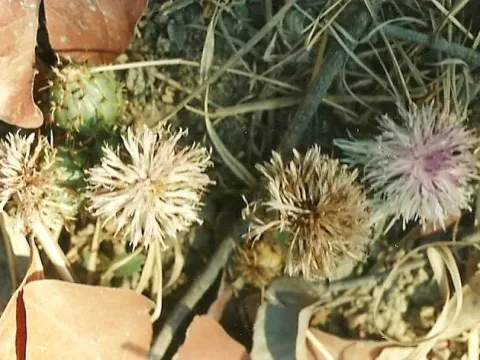
Early cornflower
Centaurea praecox
The early cornflower (Centaurea praecox) belongs to the Asteraceae family and is a perennial plant. Seeds are typically sown in early spring as soon as the soil reaches 10-12 degrees Celsius, or in late autumn before the ground freezes.
What the section contains
Early cornflower
The seeds should be sown at a shallow depth of 1-2 centimeters. Consistent soil moisture is crucial during the first two weeks of germination to ensure an even stand and vigorous early growth of the seedlings.
For those using the seedling method, seeds should be started indoors in March. Using individual biodegradable pots is recommended to minimize stress on the taproot system during transplanting into the field.
Spacing is essential for the healthy development of this crop. A distance of 30-40 centimeters between plants is recommended to allow for optimal airflow, which is critical in preventing fungal infections.
Whether sown directly or transplanted, the early cornflower establishes itself relatively quickly, making it a reliable choice for both wildflower meadows and cultivated garden beds.
This crop thrives in full sunlight. Exposure to direct sunlight for most of the day is necessary for robust stem strength and to maximize the intensity of its vibrant flower colors.
Well-drained, fertile loamy soil with a neutral or slightly alkaline pH is ideal for the early cornflower. Avoiding sites prone to waterlogging is vital to prevent root rot, which is the most significant soil-related threat.
The species is notably drought-tolerant, capable of surviving periods of low precipitation once established. Irrigation should be applied moderately, focusing on the root zone rather than the foliage.
Fertilization with balanced NPK nutrients at the beginning of the growing season and at the onset of budding will support sustained flowering. Avoid excessive nitrogen, which encourages foliage growth at the expense of blooms.
The plant is highly resilient and winter-hardy in temperate climates, requiring minimal intervention to survive winter dormant periods in most agricultural zones.
Powdery mildew and Fusarium wilt are the most prevalent diseases affecting this crop, usually triggered by poor drainage or excessive humidity in the plant canopy.
Implementing proper spacing and keeping the area free of weeds are primary cultural practices that significantly reduce the incidence of fungal pathogens and improve overall plant health.
Aphids and spider mites are common pests that tend to proliferate during hot, dry spells. Regular scouting and immediate intervention help prevent significant damage to the plant's photosynthetic tissue.
When pest pressure exceeds acceptable thresholds, use targeted, bee-safe insecticides to protect beneficial pollinating insects that are attracted to the nectar-rich flowers.
Crop rotation is strongly recommended to break the lifecycle of soil-borne diseases. Avoiding planting the early cornflower in the same location for more than two consecutive years minimizes risks.
Harvesting should take place during the peak bloom phase when flower heads are fully open and vibrant. Collect materials in the early morning after the dew has evaporated for best quality.
For pharmaceutical or ornamental use, harvest the flower heads carefully. If only the petals are needed, they should be plucked gently from the base without damaging the central receptacle.
Drying must be conducted in a well-ventilated, shaded area. High heat must be avoided to preserve the plant's essential compounds and natural pigmentation, keeping temperatures below 45 degrees Celsius.
Stored dried product should be kept in airtight containers in a cool, dark environment to maintain its potency. When properly stored, the dried material retains its quality for up to 24 months.
In landscape applications, removing spent flower heads throughout the season can encourage a second, lighter bloom cycle and improve the overall appearance of the plant.