
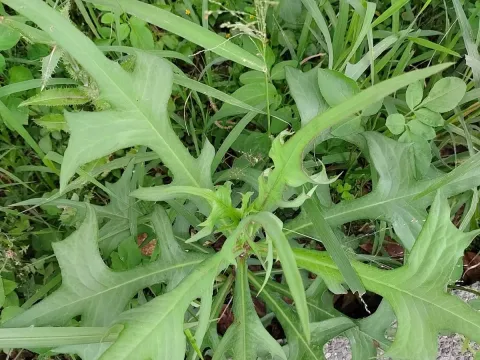
Dragon lettuce
Lactuca dracoglossa
Dragon lettuce seeds are typically sown directly into the soil when temperatures reach 10–12°C. In temperate zones, mid-April is usually the optimal time for sowing, ensuring the soil has warmed sufficiently to support germination.
What the section contains
Dragon lettuce
For early harvest, starting seeds indoors in nursery trays is recommended. Seedlings should be grown for about 30 days before being transplanted outdoors, provided they receive sufficient light to prevent spindly growth.
When sowing directly into the ground, seeds should be placed no deeper than 1.5 cm. Maintaining a proper planting scheme is crucial for plant development, with rows spaced at least 30 cm apart and plants 20 cm apart within the row.
Sequential sowing every two weeks ensures a constant supply of fresh greens throughout the growing season. This method allows growers to manage the harvest effectively and avoid the plant reaching its reproductive stage too quickly.
The culture is sensitive to light duration, often bolting prematurely under long summer days. Therefore, early spring or late summer sowings are ideal for maintaining the vegetative quality of the leaves.
Belonging to the Asteraceae family, dragon lettuce is a cold-hardy crop. While it tolerates minor temperature dips, it thrives best in moderate, stable climates that avoid extreme heat or frost.
The best soil for this lettuce is a well-drained, fertile loam or sandy loam with a neutral pH. Avoiding heavy, compacted, or overly acidic soils is necessary to prevent stunted root development and poor leaf production.
Dragon lettuce requires adequate sunlight but needs shade during intense midday heat. Excessive exposure to direct sunlight at high temperatures can cause leaf scorching and promote early flowering, which ruins the flavor.
Consistent, moderate moisture is key to success. Insufficient watering leads to bitter leaves, while overwatering can cause root rot and encourage the growth of harmful soil-borne pathogens throughout the garden.
Pre-planting fertilization with organic compost is highly beneficial for soil structure. During the active growth phase, supplemental potassium and phosphorus fertilizers can help enhance plant robustness and quality.
Slugs and snails are the most common pests for dragon lettuce, often targeting young foliage. Protective measures such as physical barriers or using non-toxic mulch can help keep these pests away from the crops.
Powdery mildew is a significant risk in humid or poorly ventilated conditions. It appears as a white, dusty layer on the leaves, leading to yellowing and decay if not treated or managed with proper spacing.
Root rot, a common physiological issue, is usually caused by waterlogged soil. Proper drainage and careful irrigation management are the most effective ways to prevent this problem and keep the plant base healthy.
Aphids can cause deformation by feeding on the sap of young shoots. Controlling aphid populations with organic insecticidal soaps or natural neem-based solutions is recommended to protect the integrity of the leafy greens.
Regular inspection of the garden beds helps identify affected plants early. Removing infested plants promptly and following strict crop rotation guidelines will significantly reduce the risk of disease spread within the patch.
Harvesting dragon lettuce occurs once the rosettes reach technical maturity. The leaves can be harvested individually or the entire rosette can be cut at the base, depending on the intended use and growth stage.
The best time for harvesting is during the early morning when the leaves are turgid and fully hydrated. Collected greens should be moved to a cool, shaded area immediately to preserve their shelf life and quality.
For storage, place the greens in ventilated plastic bags. When kept in a refrigerator at 2–4°C, dragon lettuce maintains its freshness and nutritional content for up to one week after harvest.
Dragon lettuce is widely used in culinary applications, from fresh salads to sophisticated culinary garnishes. Its unique texture and flavor profile make it a favorite choice for gourmet preparations and healthy dishes.
After the harvest is complete, all crop debris should be cleared from the soil to prevent pathogen buildup. Planting cover crops immediately afterward is a recommended practice to maintain soil health for future planting seasons.