
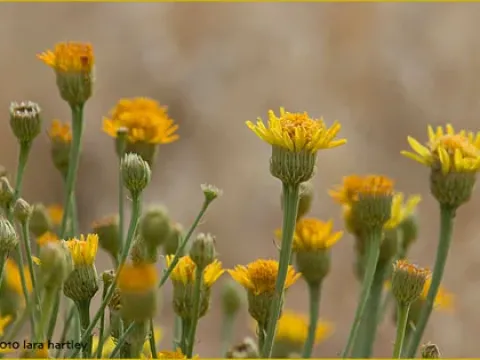
Dyssodia
Dyssodia
Sowing of Dyssodia is typically carried out in spring once the danger of night frosts has passed, as the crop is sensitive to low temperatures during early growth.
What the section contains


Dyssodia
Seeds are sown directly into open soil or started in trays using a seedling method to achieve earlier flowering in regions with shorter growing seasons.
Seed germination requires a stable soil temperature in the range of 18–22 degrees Celsius, ensuring uniform sprouting within two weeks.
When using the seedling method, seeds are sown into containers 6–8 weeks before the intended transplant date, ensuring adequate light exposure.
The soil surface is only lightly covered with substrate during sowing, as Dyssodia seeds require exposure to sunlight for successful germination.
Dyssodia belongs to the Asteraceae family and is native to arid regions of North and South America, where it thrives in natural environments.
The plant prefers well-drained, light sandy or loamy soils that do not retain excessive moisture after irrigation or rainfall events.
This crop is highly sun-loving and drought-resistant, making it essential to provide an open, well-lit space for full physiological development.
The optimal pH range for successful Dyssodia vegetation lies between neutral and slightly alkaline levels in the soil profile.
Under conditions of excessive moisture, the plant quickly loses its decorative appeal and becomes susceptible to root rot, necessitating moderate watering.
The primary threat to Dyssodia is soil waterlogging, which triggers the development of root rots and fungal diseases on the aerial parts of the plant.
Stagnant air in dense plantings can lead to powdery mildew outbreaks, requiring preventive fungicide treatments and maintaining proper spacing between plants.
Common pests include aphids and spider mites, which thrive and multiply rapidly during hot and dry weather conditions.
To control pest populations, it is recommended to use broad-spectrum insecticides or implement biological pest control methods.
Timely weeding and cultivation of the inter-row spaces help reduce the risk of infection spread and improve the overall plant health on the site.
The commercial use of Dyssodia is primarily focused on landscape design, where it is valued for its extended flowering period and vivid flower heads.
Seed collection is performed after the flower heads have fully dried, turning brown, and can be easily separated from the flower stalk.
To maintain varietal purity, it is essential to collect seed material only from the healthiest and most characteristic specimens of the species.
Harvested seeds should be thoroughly dried in a dark, ventilated area and subsequently stored in paper bags under low humidity conditions.
For ornamental purposes, the plant is used to create borders, wildflower meadows, and to fill gaps in sunny rocky garden areas.