
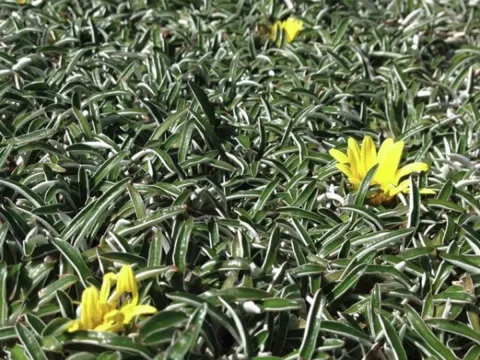
Dymondia
Dymondia
Dymondia (Dymondia margaretae) is a perennial herbaceous plant belonging to the Asteraceae family. Native to South Africa, it has evolved to thrive in coastal habitats and dry, rocky soils, making it a highly resilient agricultural and ornamental groundcover.
What the section contains

Dymondia
The plant is characterized by its prostrate habit, forming a dense, mat-like carpet of grey-green leaves with silvery undersides. Its slow growth rate makes it an ideal candidate for low-maintenance landscaping projects.
Environmental requirements include full sun exposure for optimal leaf coloration and growth density. While the plant can handle some cold, it prefers Mediterranean or mild temperate climates, necessitating protection in zones with severe ground freezes.
Soil structure is critical for Dymondia; it requires exceptionally well-draining soil to prevent root rot. Sandy or gravelly loams are ideal, as they mimic the natural environment of the species and ensure sufficient oxygenation of the root zone.
Its primary agricultural and horticultural use lies in sustainable landscaping. It is frequently employed as an eco-friendly lawn alternative that requires significantly less water and fertilizer compared to traditional grass species, while tolerating light foot traffic.
The most significant threat to Dymondia cultivation is excessive soil moisture. Prolonged water saturation or poor drainage commonly results in crown and root rot, which is the primary cause of plant death in irrigated areas.
Pests are generally not a major concern, though snails and slugs can occasionally damage young, tender foliage in damp environments. These pests are particularly active during early spring or after rainfall events.
Disease management focuses on preventive agronomic practices. Ensuring adequate spacing during planting and avoiding overhead irrigation can help maintain dry conditions around the foliage, which is essential for disease prevention.
In case of fungal infections, affected areas should be removed immediately to prevent spread. Proper soil management and the inclusion of mineral mulch, such as crushed stone, can discourage pathogens and decrease pest habitat.
Proper nutrient management is also vital; over-fertilization should be avoided, as it promotes lush growth that is more susceptible to fungal pathogens and reduces the plant's natural drought-hardy characteristics.