
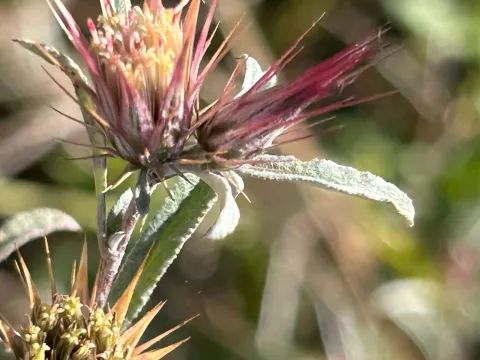
Dicoma
Dicoma
The genus Dicoma is a member of the Asteraceae family, comprising perennial herbs and small shrubs. These plants have evolved to thrive in arid and semi-arid environments, demonstrating remarkable resilience to water stress.
What the section contains


Dicoma
The native distribution of Dicoma extends across tropical and southern Africa, as well as parts of India. These plants are typically found in savannas, rocky ridges, and open landscapes where they receive full sunlight throughout the day.
Botanically, Dicoma is characterized by rigid, often pubescent foliage that minimizes water transpiration. The inflorescences are usually solitary or clustered flower heads protected by sharp, spine-like bracts, a signature trait of the genus.
Cultivation requires specific soil conditions, primarily focusing on excellent drainage. Sandy, gravelly, or stony soils are ideal, as they prevent water stagnation which can quickly lead to root decay in these dry-land species.
In terms of хозяйственное (economic) utilization, Dicoma species have historically been utilized in traditional medicine. Extracts from various species are researched for their anti-inflammatory, antimicrobial, and antioxidant properties for potential therapeutic use.
In their natural habitat, Dicoma species exhibit high tolerance to local pathogens. However, when introduced to non-native or overly irrigated environments, they face several health challenges related to environmental stress.
Fungal diseases are the primary threat, often appearing as leaf spots or stem rot when humidity levels are excessively high. These pathogens thrive in stagnant air and poor soil conditions, significantly weakening the plant.
Root rot remains the most critical issue for cultivators. Since the plant is adapted to dry conditions, any excess moisture trapped in the soil profile causes the roots to degrade rapidly, leading to permanent wilting.
Pests such as aphids or spider mites can occasionally affect the soft tissue of developing buds. These infestations are generally manageable if identified early during the routine inspection of the plant canopy.
To ensure healthy development, it is vital to maintain appropriate spacing between individual plants. This encourages better air circulation and reduces the micro-humidity that promotes the growth of harmful bacteria and fungi.