
Dimorphotheca cuneata
Dimorphotheca cuneata
Description
Sowing dates
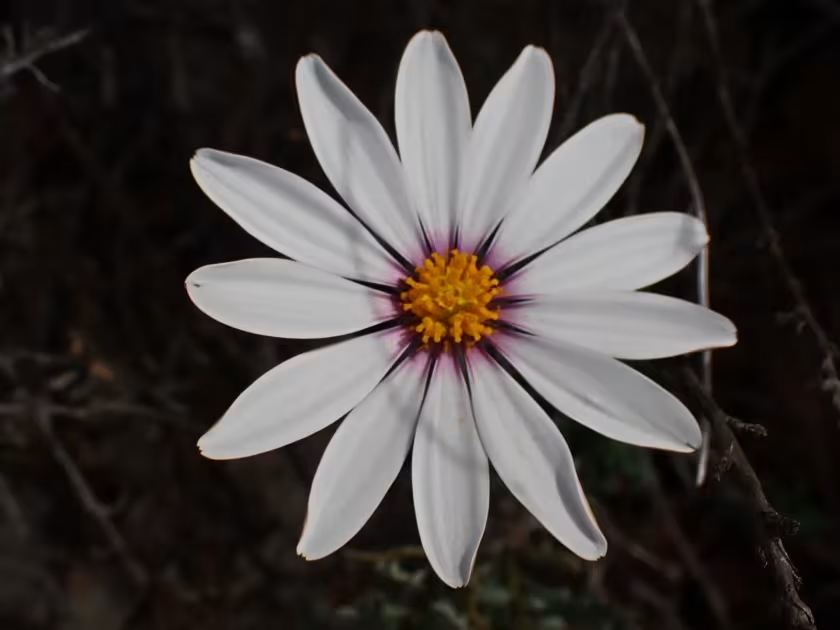
Dimorphotheca cuneata is a flowering plant belonging to the Asteraceae family. This species is valued for its hardiness and ability to thrive in sunny, dry environments, making it a popular choice for xeriscaping.
Sowing in open ground should occur only after the risk of frost has passed. The soil must be sufficiently warm to ensure rapid germination of the seeds, typically requiring temperatures above +18°C.
For an earlier flowering season, seeds can be started indoors in trays. Using a lightweight, well-draining potting mix is essential to prevent seedling rot, which is common in early stages of development.
When transplanting seedlings, it is important to handle the root ball with care, as the plant can be sensitive to root disturbance. Proper spacing of 20 to 30 cm ensures healthy plant development.
Light coverage with soil during sowing is sufficient. Keep the substrate moderately moist, but avoid waterlogging the containers to ensure the successful establishment of young plants.
Growing requirements
The primary requirement for Dimorphotheca cuneata is full sun exposure. In its native South African habitat, it receives intense solar radiation, which is necessary for vigorous growth and abundant floral display.
Soil structure is critical for this species. It demands excellent drainage and prefers sandy or gritty substrates that do not retain excess moisture for long periods after rainfall.
This plant is naturally adapted to arid conditions. Once established, it requires minimal irrigation, making it an excellent candidate for water-wise gardens. Overwatering is the most common cause of failure.
Nutritional needs are moderate. Excessive application of fertilizers will promote foliage growth at the expense of flower production, so it is best to use a low-nitrogen, balanced fertilizer sparingly.
It thrives in neutral to slightly acidic soils. Providing a location protected from strong winds can also improve the overall aesthetic quality and stability of the plants throughout the season.
Main diseases and pests
Fungal pathogens, particularly root rot and crown rot, pose the most significant threat to this species. These issues are almost exclusively associated with improper watering and poor soil aeration.
Insect pests such as aphids can infest the tender shoots and flower buds. These insects can spread viral diseases, so constant monitoring is necessary during the early stages of growth.
Spider mites can also be problematic during prolonged periods of hot and dry weather. Regular inspection of the undersides of leaves helps in detecting early infestations before they cause significant damage.
Effective management strategies include ensuring proper plant spacing to improve air circulation and promptly removing any infected debris from the garden bed to prevent the spread of spores.
If chemical interventions are necessary, use targeted fungicides or insecticides according to the product label instructions. Integrated pest management, focusing on cultural practices, remains the best approach.