
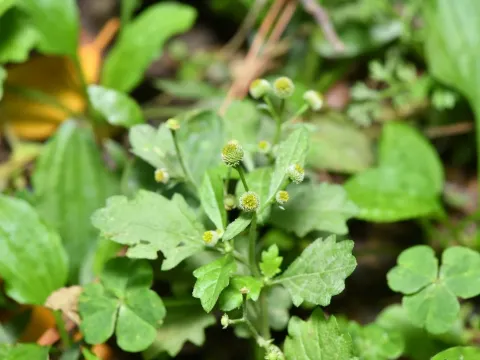
Dichrocephala
Dichrocephala
Dichrocephala, specifically the species Dichrocephala integrifolia, is an annual herbaceous plant belonging to the Asteraceae family. Sowing is typically performed in spring once soil temperatures reach 15–18°C.
What the section contains


Dichrocephala
To ensure high germination rates, the seeds require consistent soil moisture and protection from late frosts. In regions with cooler climates, starting seeds in greenhouses or trays is highly recommended.
The seeds are very fine, requiring shallow planting depths of approximately 0.5–1 cm. Maintaining an row spacing of 30–45 cm is essential for proper plant development and air circulation.
Originating from tropical and subtropical regions, the crop is photoperiod-sensitive and thrives during long summer days. Early plant growth is rapid, provided sufficient light is available.
The time from sowing to the development of the primary rosette is usually 4–6 weeks, followed by a phase of intensive vegetative growth before flowering begins.
The crop prefers fertile loam or sandy-loam soils with a neutral or slightly acidic pH. Excellent drainage is critical, as stagnant water is detrimental to the root system.
Dichrocephala is a light-demanding plant that requires full sun to maximize the production of secondary metabolites. Partial shading often leads to etiolation and reduced crop quality.
Regular irrigation is necessary, particularly during dry spells, to maintain a steady growth rate. The plant is moderately drought-tolerant but yields are maximized with consistent hydration.
Ideal temperatures range from 20°C to 28°C. If temperatures exceed 35°C, providing light shade and increasing humidity helps mitigate heat stress and leaf wilting.
Fertilization should be balanced, with a focus on nitrogen during the early stages to promote lush foliage development. Organic amendments are preferred to maintain long-term soil structure.
Yield depends heavily on planting density and the overall agronomic strategy. The primary marketable product is the foliage, which is harvested for its pharmaceutical and culinary potential.
The optimal harvest time occurs just before the peak of the flowering stage, ensuring maximum concentrations of bioactive compounds within the leaves and stems.
Under good management, multiple harvests are possible within a single season. Cutting the plants encourages lateral branch growth, significantly increasing total output.
Post-harvest quality depends on the drying process, which should be conducted in shaded, well-ventilated areas to preserve color and chemical integrity.
Final yield standardization requires rigorous sorting to remove debris, soil particles, and any discolored or damaged plant material.
Common pests include aphids and spider mites, which can proliferate rapidly in hot and dry conditions. Regular field monitoring is essential for timely intervention.
Fungal diseases, such as powdery mildew, are major threats, especially when planting density is too high or ventilation is inadequate. Implementing spacing protocols is a key preventive measure.
Crop rotation is crucial for managing soil-borne pathogens. A minimum three-year interval between plantings in the same location is recommended to prevent disease buildup.
Slugs and snails can cause damage to young seedlings. Physical barriers or organic deterrents are the safest methods for controlling these pests in moist environments.
Enhancing the crop's natural immunity through balanced nutrient application helps plants withstand minor pest pressure and environmental stress more effectively.
Harvesting should be performed during dry morning hours to avoid excess moisture on the plant material, which reduces the risk of mold during storage.
Sharp cutting tools are required to ensure clean cuts, preventing unnecessary damage to the plant's base and promoting faster regrowth for secondary harvests.
Immediately after cutting, the foliage must be moved to a shaded environment. Direct sunlight can cause rapid degradation of essential oils and leaf pigments.
Transport logistics should focus on preventing mass compression, which can lead to internal heat buildup and premature spoilage of the crop.
Final cleaning involves the removal of foreign matter and selection of high-quality leaves, ensuring the product meets industry standards before market delivery.