
Osteospermum jucundum
Dimorphotheca jucunda
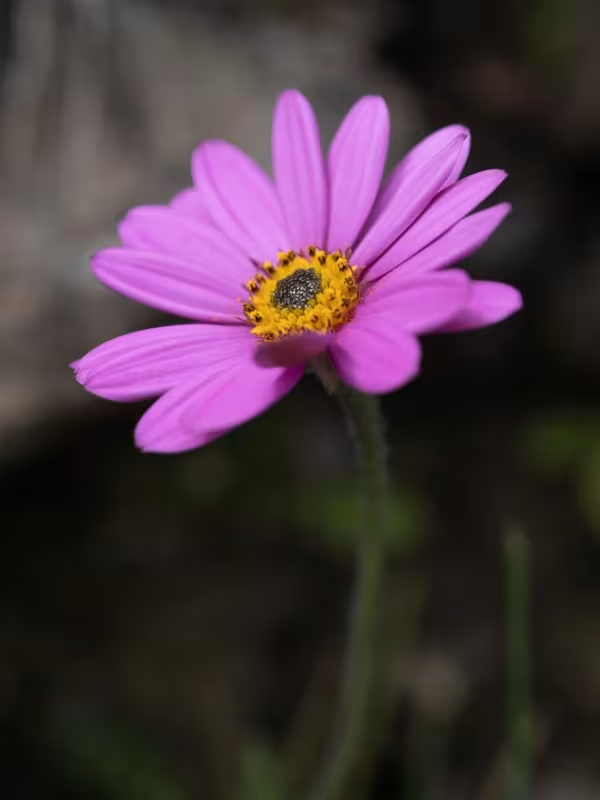
Description
Sowing dates
Osteospermum jucundum, belonging to the Asteraceae family, is a perennial herb native to South Africa, widely prized in horticulture for its vibrant daisy-like inflorescences.
Propagation is typically achieved through seed sowing in late winter or early spring using a well-drained, sterile seed-starting mix in a controlled environment.
Seeds require a consistent temperature of around 18-21 degrees Celsius to germinate successfully, usually within two to three weeks after sowing.
Once seedlings have developed two sets of true leaves, they should be transplanted into larger pots to encourage robust root system development before final placement.
The hardening-off process is essential before transplanting into the garden, gradually introducing the plants to outdoor conditions over a week to prevent transplant shock.
Growing requirements
This species thrives in full sun, which is crucial for optimal blooming; partial shade can result in leggy plants and significantly reduced flower production.
Well-drained soil with a slightly alkaline to neutral pH is ideal, as the plant is highly susceptible to root rot in compacted or waterlogged heavy clay soils.
While mature plants are drought-tolerant, consistent soil moisture during the growing season is recommended to maximize the plant's ornamental potential.
Fertilization with a balanced, slow-release granular fertilizer or liquid feed should be applied every few weeks to sustain the plant through the long blooming period.
Regular deadheading of spent blossoms is a critical maintenance practice that redirects the plant's energy toward producing new buds rather than setting seeds.
Main diseases and pests
Fungal issues, particularly powdery mildew and gray mold, can occur if the humidity levels are too high and airflow around the foliage is restricted.
Aphids and spider mites are the most common insect pests, particularly during hot and dry spells, necessitating vigilant monitoring of the plant's undersides.
Good cultural practices, such as ensuring proper spacing between plants, significantly reduce the humidity levels that favor fungal pathogen development.
Integrated pest management, including the use of neem oil or targeted insecticidal soaps, is effective at controlling infestations while minimizing environmental impact.
Maintaining clear ground around the base of the plant helps prevent debris accumulation and creates an unfavorable environment for soil-borne pests and diseases.