
Dimorphotheca zeyheri
Dimorphotheca zeyheri
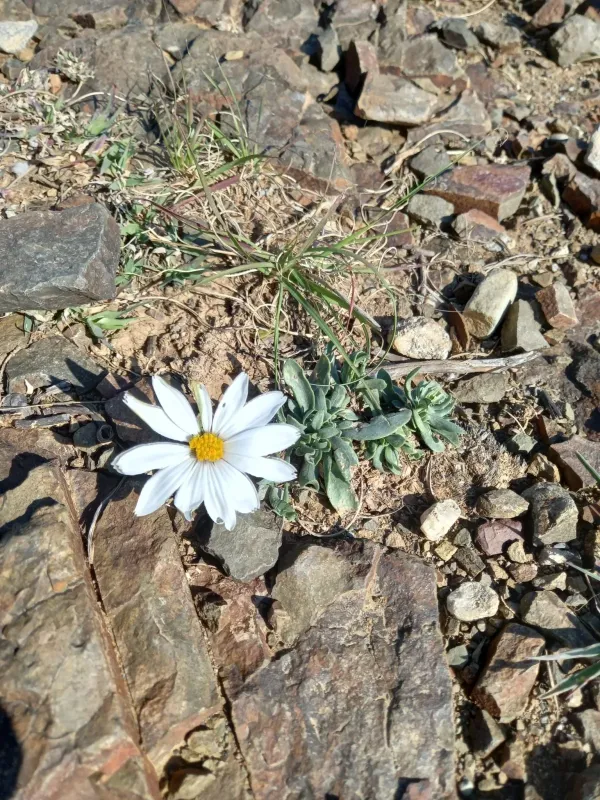
Description
Sowing dates
Dimorphotheca zeyheri requires specific conditions for successful germination, primarily focusing on timing and soil temperature. Seeds should be sown in late spring once the danger of ground frost has fully passed and the soil has warmed sufficiently for rapid seedling emergence.
The seeds are best planted at a shallow depth of 1 to 2 centimeters to ensure adequate light exposure, which is critical for the germination process of this species. Maintaining consistent soil moisture during the first few weeks after sowing is essential for achieving a uniform stand.
For growers in cooler regions, starting seeds indoors in individual containers is a common practice. This method allows for better control over the early development stages and ensures that the plants are well-established before they are transplanted into the field during stable warm weather.
Proper spacing between plants is necessary to prevent competition for resources and to minimize the risk of moisture-related diseases. Depending on the soil fertility and expected growth, a distance of 25 to 30 centimeters is typically recommended for optimal plant development and air circulation.
Thinning the seedlings is a mandatory cultural practice when sowing directly in rows. By keeping only the strongest individuals, the gardener ensures that each plant receives sufficient nutrients and light, which ultimately leads to a more uniform and visually appealing crop in the garden.
Growing requirements
As a sun-loving plant, Dimorphotheca zeyheri thrives in environments with full exposure to direct sunlight. Insufficient lighting levels often lead to leggy stems, reduced flower production, and a general loss of the compact, robust habit that characterizes healthy specimens.
The plant is highly adapted to well-drained, sandy, or light loam soils. Poorly drained soil, especially during rainy seasons, can cause root suffocation and crown rot, making proper drainage design a prerequisite for planting in sites with heavy or clay-rich soils.
Water requirements for this species are relatively low, as it shows natural adaptations to arid conditions. While supplemental irrigation is beneficial during long dry spells to keep the plant in a continuous flowering state, the soil must be allowed to dry out between watering sessions.
Climate preferences include moderate temperatures with dry air, similar to its natural South African range. Excessive humidity combined with high temperatures can create a conducive environment for fungal infections, making proper site selection based on airflow a key strategic decision.
Nutrient management focuses on moderate applications of balanced fertilizers. Over-fertilization, especially with nitrogen-heavy formulas, is discouraged because it promotes lush green foliage at the expense of floral development and may reduce the plant's natural resilience to heat stress.
Main diseases and pests
Fungal pathogens represent the most significant threat to the health of Dimorphotheca zeyheri, particularly in high-humidity climates. Root rot and damping-off are common issues that arise when the plant is kept in waterlogged conditions, which inhibit healthy root respiration.
Powdery mildew may occur on the leaves during periods of stagnant air and variable temperatures. Preventing this requires careful management of plant density and ensuring that foliage is not frequently wetted during irrigation, which can create the micro-environment favored by the fungus.
Pest pressures often include aphids, which cluster on tender new shoots and buds to feed on sap. Their feeding activity can cause stunting and deformities in the flowers, necessitating the use of targeted insecticide applications if population levels exceed manageable thresholds.
Spider mites are common invaders during hot and dry spells, characterized by the appearance of fine webs and speckling on the undersides of leaves. Regular monitoring of the foliage is vital to detect these pests early before they cause significant damage to the plant's photosynthetic surface.
Integrated pest management strategies should emphasize early detection and the removal of severely affected plant material to prevent spread. Combining resistant practices with chemical controls only when necessary helps maintain the ecological balance and the overall vigor of the garden beds.