
Dieteria bigelovii
Dieteria bigelovii
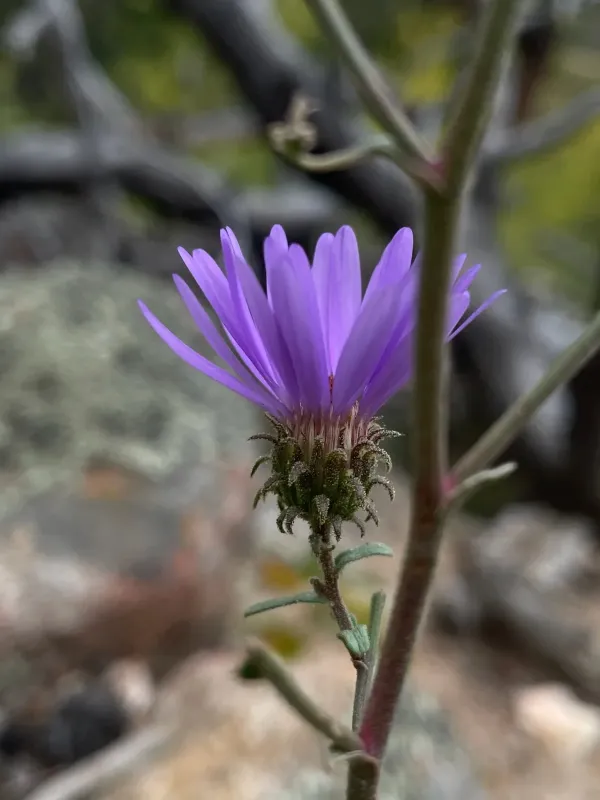
Description
Sowing dates
Dieteria bigelovii, a member of the Asteraceae family, is a herbaceous perennial that thrives in temperate climates. Sowing should be planned for the early spring once the soil temperature consistently reaches at least 15 degrees Celsius for optimal germination.
For direct outdoor sowing, choose a location with excellent sunlight exposure. The seeds should be lightly covered with a thin layer of soil or fine compost, as they require light to germinate effectively. Maintain consistent moisture until the emergence of the first true leaves.
If starting seeds indoors, use trays with well-draining soil mix approximately 6-8 weeks before the last frost date. Transplanting should be handled carefully to avoid disturbing the root system, which is crucial for the successful establishment of the young plants.
Thinning is necessary if plants are grown in clusters to ensure proper air circulation. Maintaining a spacing of 30 to 45 centimeters allows each plant to reach its full potential size without competing for nutrients and water.
Once established, the seedlings exhibit rapid development during the warmer months. It is important to protect young plants from extreme pests during the initial growing stage, as their soft foliage can be quite vulnerable.
Growing requirements
This species is highly adapted to well-drained, sandy or loamy soils. It performs best in neutral to slightly alkaline pH environments, demonstrating a natural tolerance to the mineral-rich soils common in western North American landscapes.
One of the key agronomic benefits of Dieteria bigelovii is its notable drought tolerance. Once the root system is well-developed, the plant can withstand extended periods without supplemental irrigation, making it an ideal choice for xeriscaping.
Optimal growth requires full sun exposure. While the plant can tolerate partial shade in very hot climates, consistent shading often results in weak, leggy stems and fewer floral heads throughout the bloom season.
The plant is resilient against wind and urban environmental stress. However, protection from stagnant water is critical. Ensuring a site with a slight slope or excellent natural drainage is the most important factor in preventing root rot.
Minimal fertilization is required for this species. Over-fertilization, especially with high-nitrogen compounds, can be counterproductive, leading to excessive foliage growth at the expense of flower production.
Main diseases and pests
Like many plants in the Asteraceae family, Dieteria bigelovii is occasionally susceptible to powdery mildew, especially if planted in areas with poor airflow and high humidity. Regular thinning of plants helps mitigate this risk significantly.
Aphids may target the soft, emerging growth in late spring. Monitoring and, if necessary, using insecticidal soap or biological control methods are recommended to maintain the aesthetic quality of the blooms.
Root rot is the most serious threat, usually caused by overwatering or compacted, poorly drained soil. If leaves begin to yellow prematurely, check the moisture levels of the root zone and improve drainage immediately.
In some regions, grasshoppers or other chewing insects may cause minor damage to the foliage. While usually not fatal to an established plant, these pests can impact the visual appeal of the greenery.
Maintaining a clean growing area by removing fallen leaves and debris reduces the risk of fungal spores overwintering. Vigilant observation and early intervention remain the best strategies for managing potential threats to this crop.
Harvesting
The harvest of Dieteria bigelovii is primarily focused on the collection of floral stems for decorative use. Stems should be cut when the flowers are about halfway open to ensure maximum vase life after harvest.
For sustainable cultivation, deadheading spent flowers is a standard practice that prevents the plant from diverting energy into seed production, thereby extending the blooming period throughout the late summer and early autumn.
Seed harvesting should be performed in the late season once the flower heads have dried fully on the stem. Carefully remove the heads and place them in paper bags to finish drying before extracting the seeds for storage.
Seeds should be stored in a cool, dry, and dark environment to maintain viability for the next planting season. Proper labeling of the harvest date and source is essential for maintaining a high-quality seed bank for future years.
As an ornamental crop, the plant is harvested not for bulk biomass, but for high-value aesthetic utility. Its ability to provide late-season color makes it a valuable asset for commercial flower farms targeting autumn markets.