
Dieteria asteroides
Dieteria asteroides
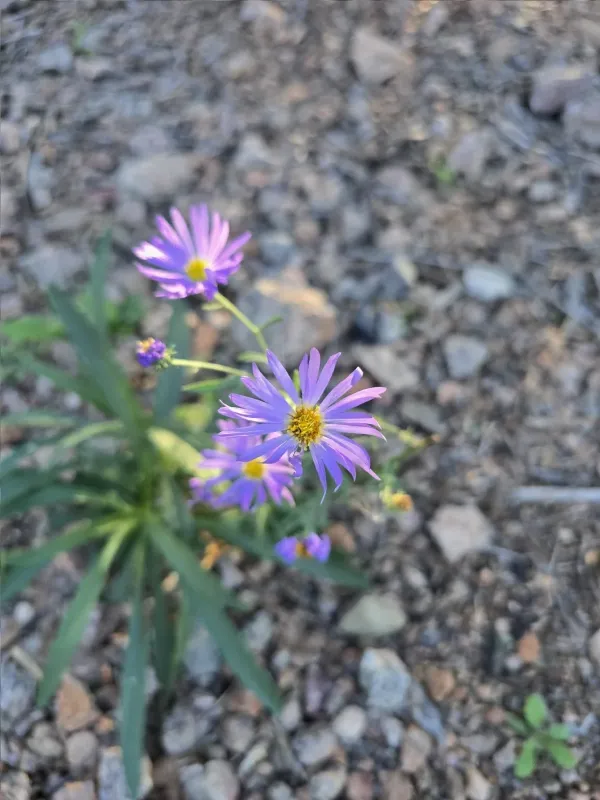
Description
Sowing dates
Dieteria asteroides, a member of the Asteraceae family, is a perennial plant that requires specific sowing techniques to ensure germination.
Sowing in open soil is best performed during early spring, once the soil temperature consistently reaches at least 10 degrees Celsius.
Seeds benefit significantly from a stratification process, which breaks dormancy and improves the overall uniformity of emerging seedlings.
Greenhouse propagation is a common practice among professional growers to establish stronger root systems before transplanting.
Spacing is a critical factor, with growers advised to keep a distance of at least 30-40 cm between individual plants to prevent crowding.
Growing requirements
This species thrives in sunny, well-ventilated locations that provide direct light for the majority of the daylight hours.
The soil structure should be loose and well-draining, as the root system is highly susceptible to rot if water stagnation occurs.
Moderate irrigation is essential; the soil should remain moist but never waterlogged during the peak growing season.
The plant demonstrates remarkable cold hardiness, making it suitable for temperate regions with significant seasonal temperature fluctuations.
Regular maintenance, including weeding and soil aeration, is necessary to minimize competition for nutrients and maintain soil oxygen levels.
Main diseases and pests
Fungal diseases like powdery mildew are the primary threat, especially in humid and poorly ventilated field conditions.
Root rot caused by Phytophthora or similar pathogens often occurs if drainage systems are insufficient for the current soil type.
Pests such as aphids and spider mites can severely impact foliage health and inhibit the reproductive development of the plant.
Proactive monitoring of the crop canopy is necessary to catch and treat early signs of pest infestation before they become widespread.
- Implementing crop rotation cycles.
- Ensuring proper spacing to improve airflow.
- Using integrated pest management strategies.