
Dicoma tomentosa
Dicoma tomentosa
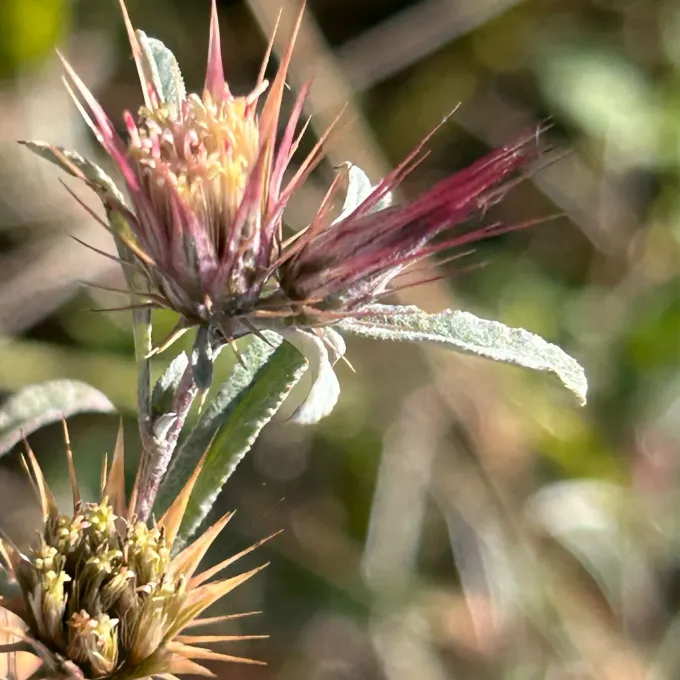
Description
Sowing dates
Dicoma tomentosa is a medicinal and resilient plant belonging to the Asteraceae family, primarily distributed in the dry regions of Africa.
For successful cultivation, sowing should take place when soil temperatures consistently reach 20°C (68°F) or higher during the spring season.
Seeds should be planted at a shallow depth of approximately 1 to 2 cm to ensure proper germination in sandy, well-aerated substrates.
Row spacing should be maintained at adequate intervals to prevent overcrowding, which can facilitate airflow and reduce the risk of disease.
The plant demonstrates a rapid germination cycle, establishing a sturdy root system that allows it to survive in harsh, arid environmental conditions.
Growing requirements
This crop is a quintessential xerophyte, perfectly adapted to environments with irregular rainfall and intense solar radiation.
It thrives in light, sandy, or stony soils that offer exceptional drainage, as it cannot tolerate waterlogged or heavy clay environments.
Full exposure to direct sunlight is essential throughout the day to support the plant's metabolic processes and the synthesis of active compounds.
The plant is highly resilient to prolonged periods of drought, maintaining its physiological integrity even in the absence of frequent irrigation.
Soil pH should ideally be neutral or slightly alkaline, as these conditions favor the absorption of essential micronutrients from poor soils.
Yield
The economic value of Dicoma tomentosa lies in its aerial biomass, which is rich in biologically active substances and secondary metabolites.
Harvestable yield is determined by the environmental conditions during the growth phase, specifically the intensity of light and heat.
The crop is highly valued for its traditional medicinal properties, including potential antimicrobial and antioxidant activity in extracts.
Yield optimization requires precise timing of harvest, ensuring the biomass is collected when the plant is in full bloom and active growth.
As a low-input crop, it provides a stable source of natural products in semi-arid regions where conventional crops often fail to thrive.
Main diseases and pests
The primary threats to Dicoma tomentosa are fungal infections, such as root rot, which typically occur due to excessive soil moisture.
Young seedlings may be susceptible to herbivorous insects, although established plants possess natural defense mechanisms against many pests.
Weed competition represents a significant challenge during the initial weeks of development, necessitating regular mechanical weeding.
High humidity levels during the nights can sometimes predispose the foliage to powdery mildew if the air circulation is inadequate.
Proper field management and selecting well-drained planting sites are the most effective strategies for mitigating these agricultural threats.
Harvesting
Harvesting is performed by manually cutting the aerial parts of the plant during the peak flowering stage to ensure the highest quality of raw material.
The collected biomass must be dried immediately in a shaded, well-ventilated area to prevent degradation of its medicinal chemical constituents.
Once dried, the material should be processed or packaged in breathable containers to maintain its integrity over extended storage periods.
Seed collection for future seasons is conducted once the flower heads have matured and dried on the stalks to ensure viable embryo development.
Careful storage in dry conditions is essential to protect the final product from moisture absorption, which could lead to mold or spoilage.