
Dicoma anomala
Dicoma anomala
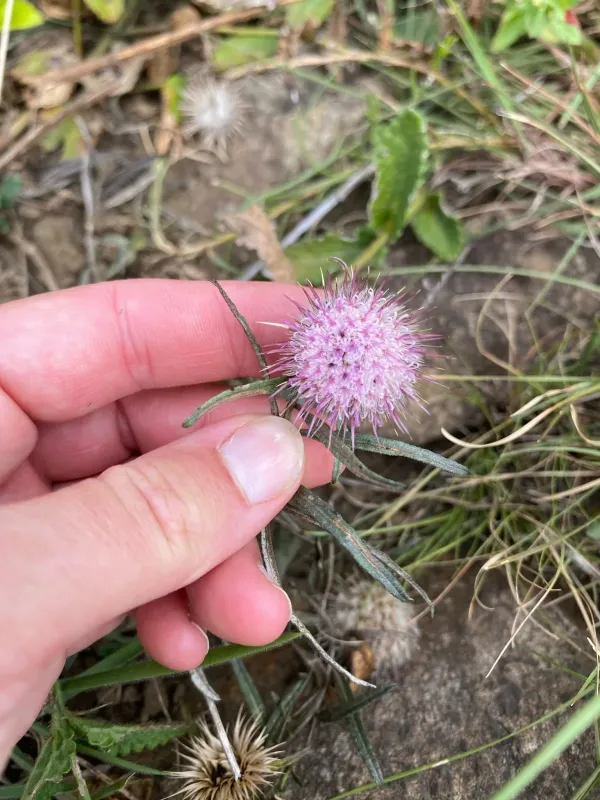
Description
Growing requirements
Dicoma anomala is a perennial herb belonging to the Asteraceae family. Known for its resilience, this plant is native to the diverse landscapes of Southern and Tropical Africa, thriving in grasslands and stony terrains.
The plant exhibits remarkable adaptation to arid and semi-arid conditions. Its morphology includes a robust root system capable of accessing water deep within the soil profile, ensuring survival during prolonged dry seasons.
Cultivation requirements focus on well-draining, sandy, or rocky soil compositions. High solar radiation is essential for the development of its unique secondary metabolites, which are highly valued in ethnobotanical applications.
Agrotechnical practices should prioritize minimal disturbance to the soil structure. As a drought-tolerant crop, it does not require intensive irrigation, making it a sustainable option for regions with water scarcity.
The primary economic use of Dicoma anomala is medicinal. Extracts from its roots and foliage are historically utilized for their antimicrobial and anti-inflammatory properties, serving as a staple in traditional healing systems.
Main diseases and pests
The primary threats to Dicoma anomala cultivation are soil-borne fungal pathogens. Over-irrigation creates a moisture-heavy environment that promotes root rot, which is the leading cause of crop loss.
Various insect pests, including beetles and leaf-miners, can cause localized damage to the foliage. Monitoring programs are essential to detect infestations before they escalate across the production field.
Weed management is critical in the establishment phase, as young plants compete poorly with aggressive grass species. Once established, the dense growth habit of the plant helps suppress surrounding weeds.
To maintain the medicinal quality of the harvested material, the use of synthetic chemicals should be avoided. Integrated pest management (IPM) strategies offer the most sustainable approach to control threats.
Plant sanitation is essential to prevent the spread of diseases. Clearing debris and removing infected individuals can significantly reduce the pressure of pests and pathogens within the field environment.