
Dicoma capensis
Dicoma capensis
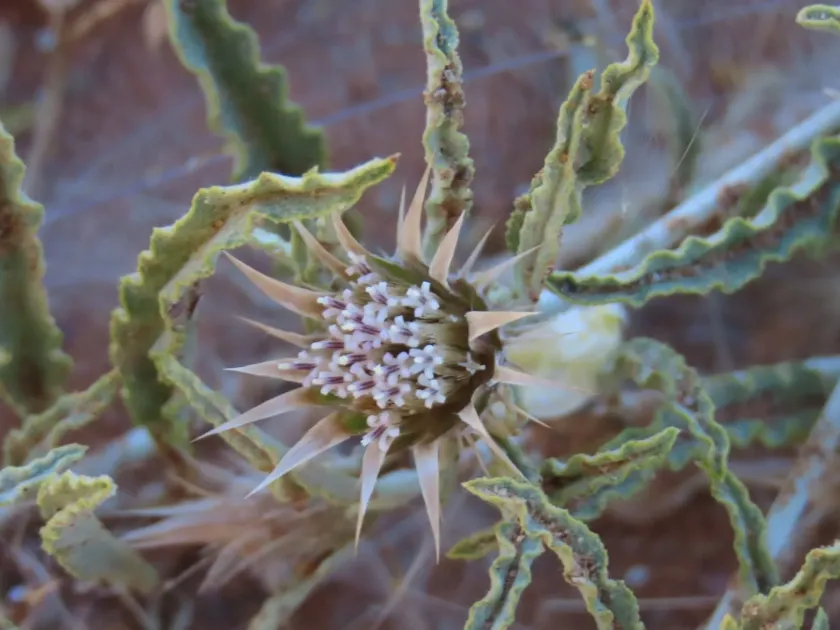
Description
Sowing dates
Sowing Dicoma capensis requires careful timing to align with seasonal moisture availability, even if the plant is highly drought-tolerant. In commercial settings, the seeds are typically sown in early spring when temperatures begin to stabilize at higher levels.
The seeds should be planted at a shallow depth, as they require significant light exposure for optimal germination. Proper soil contact is necessary to ensure moisture absorption without waterlogging the sensitive embryos.
Direct field seeding is the preferred method, given the plant's sensitivity to root disturbance during transplanting. Rows should be spaced adequately to allow for equipment passage and sufficient airflow around the developing plants.
Germination success is closely tied to the soil temperature, which should consistently remain above 20 degrees Celsius. In cooler conditions, the use of protective covers can help maintain the thermal environment required for the initial stages of development.
After emergence, thinning is necessary to achieve the desired plant density. This ensures that every plant has access to sufficient nutrients and space, minimizing intraspecific competition during the critical growth phases.
Growing requirements
Dicoma capensis thrives in arid and semi-arid climates, reflecting its native South African habitat. It is a perennial member of the Asteraceae family that exhibits remarkable physiological adaptations to water scarcity.
The plant requires well-drained, sandy or gravelly soils. Heavy soils with high clay content are unsuitable, as they tend to retain moisture that leads to root rot, the most common cause of crop failure in this species.
High levels of solar radiation are essential for the production of secondary metabolites, which are the main focus for its medicinal utilization. Shady environments result in weak, spindly growth and reduced quality of harvested biomass.
Nutrient requirements are generally low, as the plant has evolved to extract minerals from nutrient-poor environments. Over-fertilization, especially with high nitrogen levels, can lead to excessive vegetative growth at the expense of root system resilience.
Adequate ventilation is critical for this species. In regions with higher humidity, planting on raised beds or mounds can significantly improve drainage and increase the overall health and longevity of the plant stand.
Main diseases and pests
Fungal infections are the primary threat to the stability of Dicoma capensis populations. Pathogens affecting the roots and the base of the stem are particularly lethal, especially in instances of poor drainage or high humidity.
Pests such as aphids and spider mites frequently target the plant, especially during periods of prolonged heat when the plant's metabolic processes are under stress. These insects can rapidly proliferate if left unmonitored.
Weed management represents a significant labor requirement. Because the plant establishes slowly, it is highly vulnerable to faster-growing weeds that compete for sunlight and soil nutrients during the early seedling stage.
Soil-borne pathogens may also pose a risk if the field has a history of hosting other Asteraceae species. Crop rotation is an essential agronomic strategy to prevent the buildup of specific diseases and maintain soil fertility.
Integrated Pest Management (IPM) is strongly recommended to protect the crop. By utilizing biological controls and selective application of pesticides only when necessary, growers can protect the medicinal quality of the plant.
Harvesting
Harvesting Dicoma capensis is typically done by hand or with specialized machinery designed for medicinal herbs. The timing depends on the specific concentration of bioactive compounds sought, usually just before flowering.
During the harvest, the aerial parts of the plant are cut at a specified height from the ground to encourage regrowth. Sustainable harvesting practices involve leaving the root system intact to ensure a perennial harvest cycle.
Once harvested, the plant material must be dried rapidly to prevent degradation and mold growth. Shade drying is often preferred to preserve the integrity of the active chemical compounds that sunlight might otherwise oxidize.
Standardized post-harvest protocols include sorting the harvested material to remove any debris or weeds. Storage should occur in cool, dry, and well-ventilated facilities to maintain the quality of the harvested produce over long periods.
Efficiency in harvesting is increased by uniform row establishment. Regular monitoring of the maturation phase ensures that the maximum yield of chemical compounds is extracted per unit of land area, optimizing the economic output.