
Dicoma zeyheri
Dicoma zeyheri
Description
Growing requirements
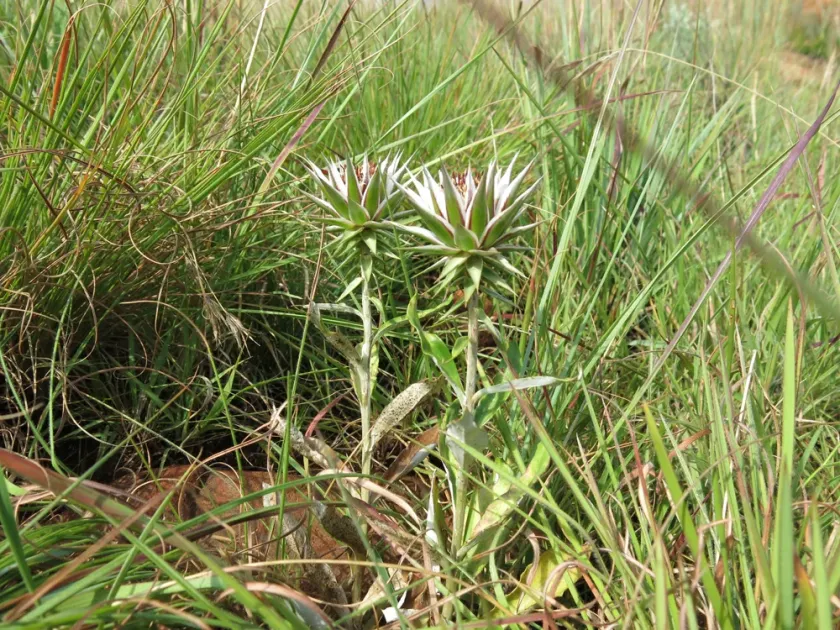
Dicoma zeyheri is a perennial herbaceous plant belonging to the Asteraceae family. It is native to the southern regions of Africa, where it has evolved to thrive in arid and semi-arid environments, including rocky outcrops and open savannahs.
The plant is morphologically distinct, featuring rigid, often woolly or pubescent leaves that serve as an adaptation to reduce transpiration. Its structural characteristics allow it to maintain metabolic activity even during periods of extreme environmental stress.
For successful cultivation, Dicoma zeyheri requires well-drained, sandy or gravelly soil profiles. The species is highly intolerant of waterlogged conditions, which can lead to rapid decay of the taproot system, a common issue in heavier soil types.
Climate requirements involve high solar radiation and warm temperatures typical of its native range. To mimic its natural habitat, cultivators should ensure a cycle of moderate watering interspersed with dry periods, preventing the risk of fungal infections associated with high humidity.
Economically, this species is noted for its ethnobotanical value. It contains bioactive compounds such as sesquiterpene lactones, which have been historically utilized in traditional medicine, making it a subject of ongoing biochemical research and potential sustainable harvesting.