
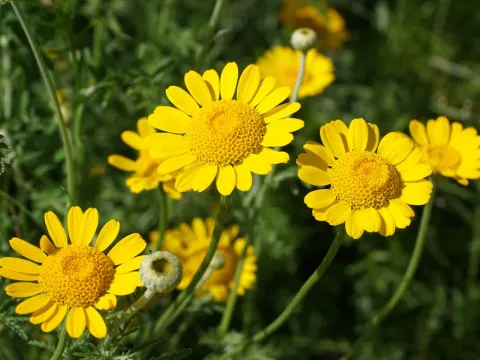
Cota
Cota
Plants within the Cota genus are typically propagated from seeds. Sowing is best performed in early spring as soon as the soil is workable, which helps the plants establish themselves before the onset of the summer heat.
What the section contains


Cota
Because the seeds are remarkably small, they should be sown shallowly, often just pressed into the soil surface and lightly covered with fine compost or sand. This ensures that the seeds receive the light and moisture needed for germination.
Row spacing should be maintained at 30 to 50 centimeters. This provides enough space for the plants to spread while allowing for mechanical or manual weeding, which is vital for young seedlings that can be easily outcompeted by weeds.
Germination typically occurs within two weeks if the soil is kept consistently moist. Once established, the plants demonstrate a vigorous growth rate and can reach full maturity within a single season.
In regions with milder climates, autumn sowing is occasionally practiced. This approach allows the seeds to benefit from winter moisture and achieve a head start, often resulting in higher biomass production.
Cota species are generally sun-loving plants. For optimal development and flower production, they require full sun exposure, as shaded conditions lead to weak stems and significantly reduced blooming.
Well-drained, sandy or loamy soils are the ideal substrate for this crop. The plants possess a deep taproot that allows them to thrive in poorer soils, provided there is no risk of waterlogging, which the plant does not tolerate.
While the plants are known for their resilience to drought, they respond well to occasional watering during prolonged dry spells, especially during the flowering stage when the plant's metabolic activity is at its peak.
The nutrient requirements of Cota are modest compared to more intensive agricultural crops. A balanced, low-concentration fertilizer is usually sufficient to support growth without causing excessive lushness at the expense of floral development.
The ideal soil pH for this genus ranges from 6.0 to 7.5. Ensuring a neutral soil environment helps in the efficient uptake of trace minerals required for the synthesis of bioactive compounds within the petals.
Fungal pathogens such as mildew are the most prevalent threats to Cota, particularly during periods of high humidity and poor air circulation. Proper spacing between plants is the most effective preventative measure.
Root rot is a common issue primarily in heavy soils where water accumulates. This condition can lead to rapid wilting and the loss of entire stands if the drainage is not improved before the cultivation cycle.
Insect pests, including aphids and thrips, can be problematic. They tend to cluster around the flower buds, potentially damaging the reproductive organs of the plant and diminishing the quality of the harvested material.
Weed control is of paramount importance during the first few weeks of the plant's life cycle. Without consistent weeding, the slow-growing seedlings may be stunted by fast-growing broadleaf weeds.
Implementing a proper crop rotation strategy is essential to prevent the buildup of soil-borne pathogens and pests, ensuring the longevity and health of the Cota crop over multiple years of operation.