
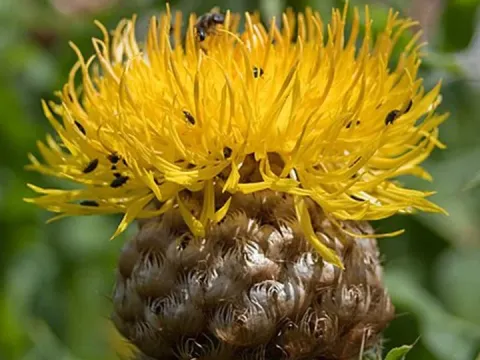
Cousinia
Cousinia
The genus Cousinia is a diverse group of plants belonging to the Asteraceae family. These plants are typically characterized by their spiny, thistle-like appearance and robust, hardy nature.
What the section contains


Cousinia
Native primarily to Central and Western Asia, these plants have evolved to thrive in some of the most arid environments on Earth, including rocky deserts and steep mountain slopes.
Botanically, they are recognized for their deep taproot systems, which allow them to access water reservoirs deep underground, and their specialized leaf structures designed to reduce transpiration.
These plants demand high light intensity and thrive in well-draining, stony, or calcareous soils that prevent waterlogging and promote healthy root development.
As a true xerophyte, the plant requires a climate characterized by distinct dry seasons and minimal humidity, making it perfectly adapted to semi-desert ecological zones.
The primary agricultural threat to Cousinia cultivation is root rot and fungal infection, often caused by excessive moisture or poor soil drainage conditions.
Pests such as various species of aphids and specialized beetles are known to attack both the leaves and the flower heads, potentially affecting plant vigor.
Mechanical damage to the stems can serve as an entry point for various plant pathogens, requiring careful handling and protection against strong wind erosion.
Managing the threats involves strictly monitoring irrigation cycles and applying integrated pest management strategies to ensure the health of the specimens.
Preventative measures are essential, as the plants possess limited resistance to high-humidity-related diseases compared to their tolerance for extreme heat and cold.