
Costmary
Balsamita
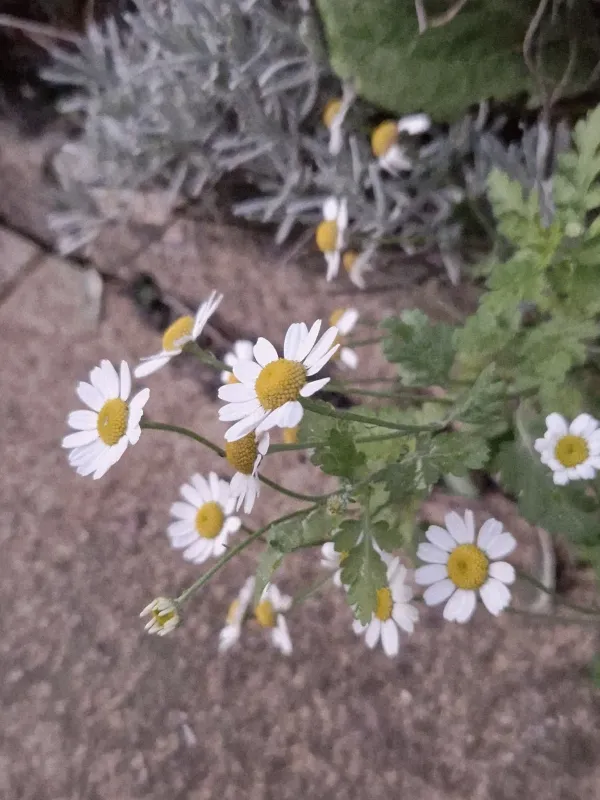
Description
Sowing dates
Costmary (Balsamita major) is a hardy perennial member of the Asteraceae family that is most easily propagated through division of its creeping rhizomes.
Spring is the ideal season for planting, as the soil warms up and moisture levels are generally sufficient to ensure rapid root establishment.
When starting from seed, sow in early spring in trays, barely covering the tiny seeds with soil, and maintain a consistent temperature of around 20 degrees Celsius.
Space the plants approximately 45 to 60 centimeters apart, as they tend to spread vigorously and can quickly overtake adjacent garden beds if not managed.
Select a site with well-drained, fertile soil, ensuring the chosen location allows for adequate airflow to minimize the risk of moisture-related issues.
Growing requirements
This crop thrives in full sun but can tolerate partial shade, provided that the soil is kept relatively moist during the active growth phases.
Costmary prefers soils with a neutral pH, though it is quite adaptable to different soil types ranging from loamy to sandy compositions.
Regular weeding is essential for the first season, as young plants may struggle to compete with aggressive weeds in the early stages of establishment.
While the plant is drought-tolerant once established, providing supplemental irrigation during dry summer spells significantly enhances foliage production.
It is winter-hardy and does not require special winter protection in moderate climates, making it a reliable perennial for herb gardens and small-scale farms.
Main diseases and pests
The primary concern for costmary is root rot, which typically occurs in poorly drained soils or areas where water tends to pool after heavy rain.
Powdery mildew may manifest as a white coating on the leaves during periods of high humidity and poor air circulation within the planting rows.
Pests are generally not a major issue due to the plant's strong aromatic compounds, which act as a natural deterrent to many garden insects.
In cases of aphid outbreaks, simple mechanical removal or the application of organic insecticidal soaps is usually sufficient to manage the population.
Proper spacing and the removal of dead or decaying plant material at the end of the season are the best preventative measures against common pathogens.
Harvesting
The harvest should take place when the plant is in full bloom, which is the time when the concentration of essential oils is at its highest point.
Cut the stems about 10-15 centimeters above the ground, allowing the plant to retain enough energy for regrowth during the remainder of the season.
Hang the harvested bundles upside down in a dark, dry, and airy room to preserve the essential oils and the bright green color of the leaves.
Once dried, the leaves can be crushed and stored in airtight containers to serve as a flavorful tea ingredient or a culinary additive for various dishes.
Regular harvesting encourages the plant to produce new, tender shoots, effectively extending the productive life of the patch for many years.