
Corn chamomile
Cota altissima
Description
Growing requirements
Corn chamomile (Cota altissima) is an annual herbaceous plant belonging to the Asteraceae family. In agricultural settings, it is primarily recognized as a persistent weed that impacts crop performance by competing for resources.
The plant originates from the Mediterranean region but has spread extensively across temperate climatic zones. It thrives in open, sunny habitats and is commonly found in arable land, roadsides, and abandoned pastures.
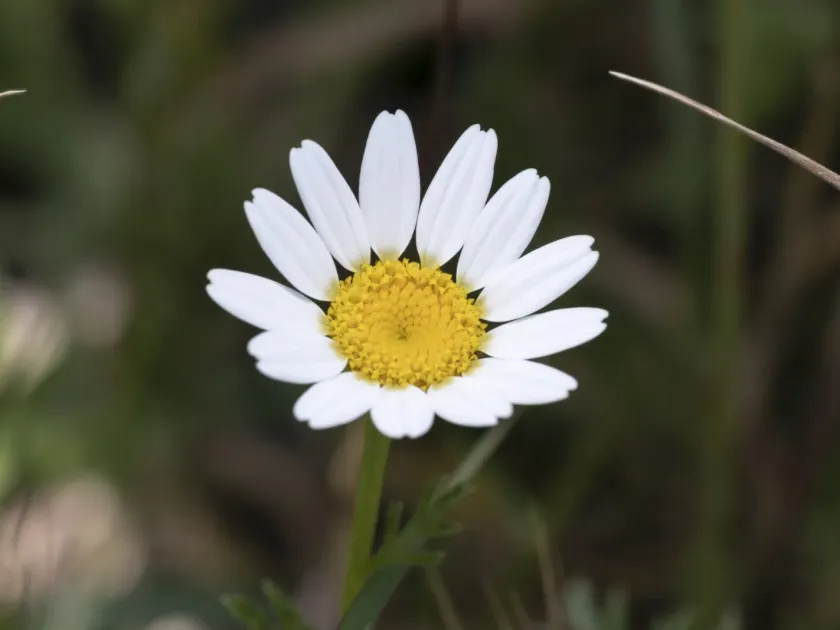
Botanically, it features a branched stem reaching heights of 60–80 cm, with feathery, alternate leaves and distinctive white-petaled flower heads. Its root system is tap-rooted, providing stability and efficient nutrient uptake.
Corn chamomile is not particularly demanding regarding soil type; it grows well in clay, sandy, and loam soils. Its ability to tolerate varying pH levels and dry spells makes it a resilient competitor in cereal crops.
The reproduction strategy of this species is highly effective, as it produces a large number of seeds. These seeds can remain dormant in the soil for several seasons, ensuring long-term persistence in the field environment.
Main diseases and pests
The primary agricultural threat posed by this species is the significant reduction in yield due to the depletion of water and soil nutrients. Infestation can also lead to increased costs during the harvesting and cleaning stages of grain production.
Common diseases affecting the plant include powdery mildew and rust fungi. These pathogens can spread from weeds to crops if the infestation is not managed correctly within the crop rotation cycle.
Pests such as aphids and specific curculionid weevils are often found on corn chamomile. These insects can exploit the weed as an alternative host before moving to cash crops, causing economic damage.
Integrated weed management is essential for control. This involves a combination of mechanical techniques, such as rotary hoeing or inter-row cultivation, applied before the weed reaches the flowering stage.
Chemical control utilizing selective herbicides is a standard procedure in high-input agriculture. Farmers should ensure applications are timed to the weed's susceptible growth stages to maximize efficacy while protecting the primary crop.