
Corn chamomile
Cota segetalis
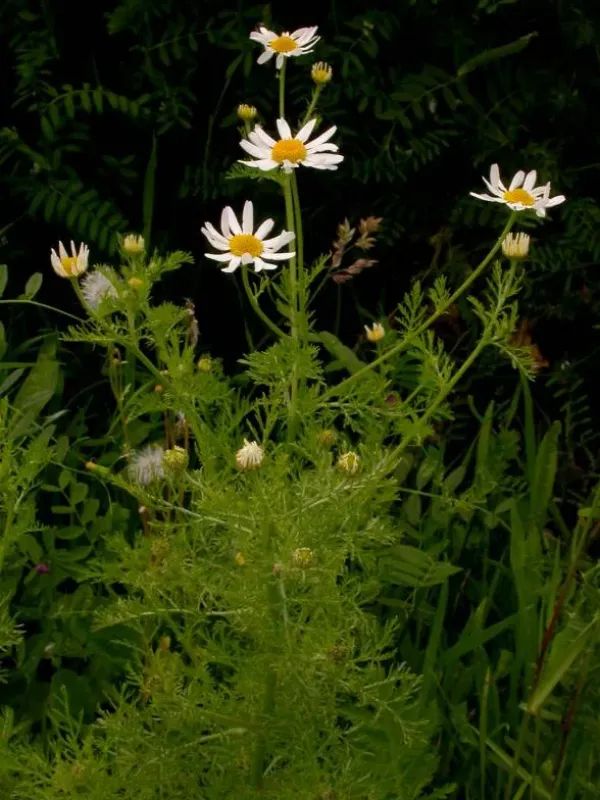
Description
Growing requirements
Corn chamomile (lat. Cota segetalis) is an annual herbaceous plant belonging to the Asteraceae family. It is widely recognized for its ecological versatility and ability to thrive in various habitats ranging from Mediterranean fields to temperate European meadows.
The plant originates from European and Mediterranean regions, where it has evolved to occupy open, sun-drenched landscapes. Its biological lifecycle is closely adapted to seasonal climate changes, allowing it to complete seed maturation effectively under variable weather conditions.
Regarding soil requirements, corn chamomile prefers well-drained, sandy-loam structures with a neutral pH level. Proper soil aeration is crucial for the development of its fibrous root system, which allows the plant to access deep-seated nutrients and moisture effectively.
Climate adaptability is one of the key strengths of this species. It shows high resilience to temperature fluctuations and can withstand dry spells, provided that the initial germination period receives adequate rainfall to establish a robust plant population.
Agricultural practices for this crop focus on maintaining optimal plant spacing to ensure sufficient airflow and light penetration. While it is often managed as a weed, its medicinal properties make it an interesting candidate for controlled agricultural production and cultivation.
Main diseases and pests
The primary pathological threats to corn chamomile involve fungal infections such as powdery mildew, which thrive in stagnant, humid environments. Maintaining proper crop rotation and avoiding over-densification of plants are the most effective management strategies.
Pests, particularly aphids and certain coleoptera species, may target the foliage and reproductive organs. Integrated pest management, focusing on early detection and biological control methods, is recommended to protect the crop's biomass and ensure seed quality.