
Cota melanoloma
Cota melanoloma
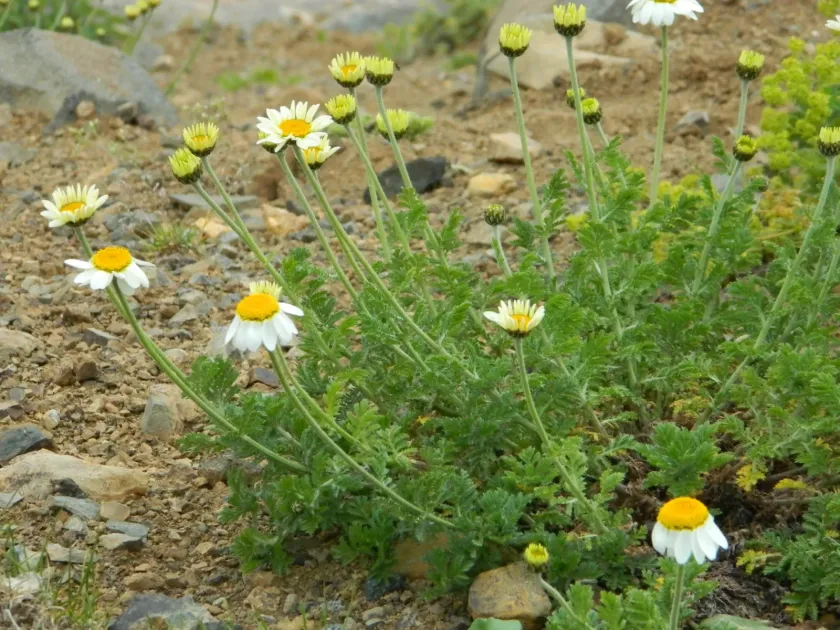
Description
Sowing dates
The sowing of Cota melanoloma usually takes place in early spring, as soon as the soil warms up to 5–8 degrees Celsius. Autumn sowing is also acceptable in regions with mild winters to promote early spring germination.
The seeds should be planted at a depth of 1–2 centimeters, given their small size. It is crucial to ensure good contact between the seeds and the moist soil to facilitate even germination.
For commercial cultivation, row sowing with 30–45 centimeters between rows is recommended. This setup significantly eases the process of mechanical weeding and inter-row cultivation.
Optimal planting density should ensure sufficient access to light and nutrients for each plant. Overcrowding often leads to poor air circulation and promotes fungal development.
Seedlings typically emerge within 10–14 days. Thinning is recommended during the 2–3 true leaf stage to ensure optimal spacing and vigorous plant development.
Growing requirements
Cota melanoloma, a member of the Asteraceae family, is a light-loving crop. It requires open, well-lit areas to reach its full productive potential and avoid stunted growth.
The plant thrives in loose, fertile sandy or loamy soils. It is relatively drought-tolerant due to its well-developed taproot system, which allows it to extract moisture from deeper soil layers.
The optimal soil pH range for this crop is 6.0–7.5. Growing it in highly acidic soils will lead to reduced plant vigor and lower-quality biomass production.
While the plant does not require excessive fertilization, it responds well to balanced phosphorus and potassium applications, which enhance flowering intensity.
This species is well-adapted to moderate climates and shows good resilience against temperature fluctuations. It remains stable during the transition periods between the early growth phase and maturity.
Main diseases and pests
Fungal diseases, particularly root rots, represent the primary threat to this crop. These pathogens typically thrive in conditions of excessive soil moisture and poor aeration.
Common pests include aphids and various weevils that target the buds and leaves. Regular field inspections are essential for early detection and mitigation of pest outbreaks.
Crop rotation is the most effective strategy to prevent the buildup of soil-borne pathogens. It is advised not to return this crop to the same field for at least 3–4 years.
Integrated pest management, focusing on biological controls, is preferred to maintain product purity. Chemical treatments should be reserved for severe cases and handled according to safety guidelines.
Weed management is crucial, as surrounding vegetation often acts as a host for pests and viruses that can quickly spread to the cultivated Cota melanoloma fields.
Harvesting
Harvesting for medicinal or botanical purposes is best performed at the peak of full bloom. At this stage, the concentration of active plant compounds is at its highest.
Harvesting should be done during dry, sunny weather. Any surface moisture on the flowers can cause spoilage and mold development during the drying process.
Drying is performed in ventilated rooms or specialized chambers with temperatures not exceeding 40–45 degrees Celsius to prevent the loss of essential oils.
Mechanical harvesting is possible using harvesters set to a low cutting height. Care must be taken to minimize mechanical damage to the delicate flower heads during the process.
After reaching the desired moisture content, the product should be cleaned of impurities and stored in cool, dark, and dry conditions to ensure long-term stability.