
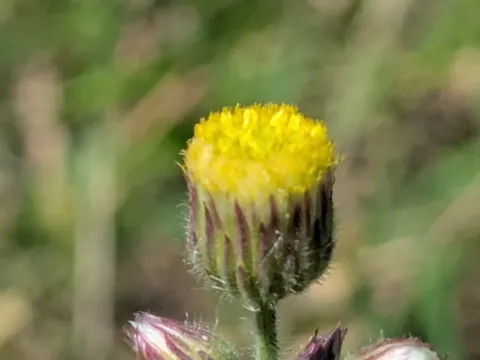
Egyptian fleabane
Conyza aegyptiaca
Egyptian fleabane (Conyza aegyptiaca) belongs to the Asteraceae family. It is a herbaceous plant native to various parts of Africa and the Middle East, thriving primarily in riparian zones and moist alluvial plains.
What the section contains
Egyptian fleabane
The plant exhibits high morphological plasticity, growing well in various soil types including sandy loams and silt. It requires a sunny, open environment to reach its full development potential and to produce high-quality biological material for commercial use.
Botanically, Conyza aegyptiaca is characterized by its glandular stems and leaves, which serve as a protective mechanism against intense UV radiation. The inflorescences consist of numerous small capitula, typical for this genus, which facilitate pollination and high seed output.
Optimal growth occurs at temperatures ranging from 20 to 28 degrees Celsius. While it is adapted to warm climates, adequate moisture during the vegetative growth phase is essential for achieving optimal biomass production before the flowering stage begins.
The primary economic use of this species is in the pharmaceutical and herbal medicine sectors. Its bioactive components make it a subject of interest for sustainable farming practices aimed at producing plant-based extracts with antiseptic and anti-inflammatory properties.
Fungal pathogens, particularly powdery mildew, represent a major threat when humidity levels remain consistently high. Providing adequate spacing between rows helps maintain airflow, which is a critical preventive measure in professional crop management.
Pests such as aphids and leaf miners can cause significant stress to young plants. Implementing a structured monitoring program allows for early detection, enabling farmers to use targeted biological interventions instead of broad-spectrum pesticides.
Root rot is a common issue caused by poor drainage or over-irrigation. Ensuring the soil structure allows for rapid water drainage is essential to preventing the loss of plants in waterlogged zones of the field.
Competition from fast-growing weeds is particularly dangerous in the early growth stages of Egyptian fleabane. Regular mechanical weeding is necessary until the plant establishes a dense canopy capable of shading out competing invasive weeds.
Balanced fertilization practices are recommended to maintain plant vigor. A proper nutrient profile supports the development of robust cell walls, making the crop less susceptible to physical damage and secondary pest infestations during the summer season.