
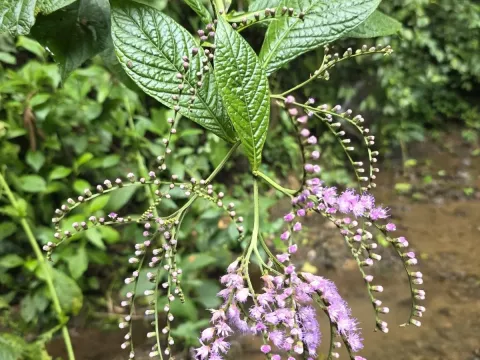
Eirmocephala
Eirmocephala
Sowing of Eirmocephala is generally performed during the spring season once soil temperatures reach 10–12 degrees Celsius. Ensuring adequate soil moisture levels is critical for uniform germination, and early sowing helps the crop establish itself before the onset of summer heat.
What the section contains

Eirmocephala
The optimal seeding depth for Eirmocephala is typically 2–3 centimeters, which balances the need for protection against desiccation with the energy required for seedlings to emerge successfully. Proper soil preparation is essential prior to sowing.
Depending on the intended use, planting patterns may vary: narrow-row spacing is often preferred for biomass production, whereas wider rows are utilized for seed production to facilitate better aeration and access for maintenance equipment.
Post-sowing compaction is a recommended agronomic practice to improve the contact between the seed and soil particles, which significantly enhances water uptake and promotes faster, more vigorous emergence of the seedlings.
Early-season management involves careful weeding during the initial growth stages, as Eirmocephala can be slow to establish and may struggle against aggressive weed competition during its first month of vegetative development.
Belonging to the Asteraceae family, Eirmocephala thrives in environments with abundant sunlight and well-drained, fertile soil. It performs best in loam or sandy loam soils that possess good water-holding capacity without being prone to waterlogging.
The soil pH should ideally remain near neutral. Although the crop is moderately drought-tolerant due to its deep root system, it responds well to consistent moisture during the peak phases of development, which maximizes overall plant biomass.
Climatic requirements focus on a frost-free growing season with sufficient thermal units to ensure the crop completes its lifecycle, especially when cultivation is aimed at harvesting high-quality seeds for future planting cycles.
Fertilization regimes should prioritize phosphorus and potassium applications, as these nutrients are essential for strong stem development and improved resistance against lodging during windy or inclement weather conditions.
Strategic irrigation management in drier regions can significantly boost yields, though care must be taken to prevent standing water, which could inhibit root health and make the crop susceptible to soil-borne pathogens.
Common threats to Eirmocephala include various fungal pathogens, such as powdery mildew and root rots, which often emerge in environments characterized by high humidity, poor air circulation, or overly dense plant stands.
Insect pests, including aphids and various leaf-feeding larvae, pose a significant challenge to leaf health and overall photosynthetic efficiency. Regular scouting of the field is necessary to implement timely control measures.
Integrated Pest Management (IPM) strategies, including crop rotation and the selection of disease-resistant varieties, are the most effective ways to reduce reliance on synthetic pesticides while maintaining high yield standards.
Field sanitation, such as removing crop debris after harvest, helps to break the lifecycle of many pathogens and overwintering pests, thereby reducing the inoculum pressure for the subsequent growing season.
Monitoring environmental conditions allows farmers to anticipate pest outbreaks and apply targeted treatments only when necessary, which protects beneficial insects and preserves the ecological balance within the agroecosystem.