
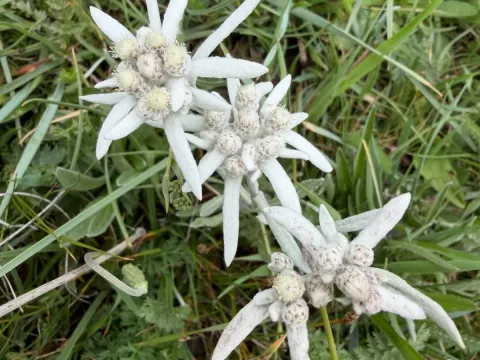
Edelweiss
Leontopodium
Sowing Edelweiss (Leontopodium) is typically conducted in spring, during March or April. The seeds require stratification to overcome dormancy, as is typical for high-altitude species.
What the section contains


Edelweiss
For successful stratification, seeds should be kept in a moist medium at temperatures between +2°C and +5°C for approximately 3-4 weeks. This mimics their natural alpine winter experience.
Seeds are sown on the surface of a light, sandy, and well-draining substrate. They require light to germinate, so they should not be buried deeply; pressing them gently into the soil is sufficient.
Maintaining consistent moisture is crucial during the germination phase. Seedlings usually emerge within 2-3 weeks in a temperature-controlled environment of +15°C to +18°C.
Once seedlings develop 2-3 true leaves, they can be transplanted to their final growing location, keeping a spacing of 15-20 cm to ensure proper air circulation and reduce fungal risks.
Edelweiss belongs to the Asteraceae family and is an iconic alpine plant. Successful cultivation depends on replicating the harsh, nutrient-poor, and well-draining conditions of its native habitat.
The plant thrives in full sun. Shade leads to etiolation (stretching), loss of the characteristic silvery hairs (pubescence), and a decrease in the plant's overall decorative and medicinal value.
Soil requirements are strict: the substrate must be rocky, sandy, or stony with excellent drainage. Waterlogged soil is the primary cause of root rot and plant death in this species.
The ideal pH is neutral or slightly alkaline. In heavier soils, it is essential to incorporate coarse sand or fine gravel to improve drainage and physical structure.
Edelweiss is highly cold-hardy, but it performs poorly if over-fertilized, especially with nitrogen. Excess nutrients encourage excessive foliage growth while inhibiting flowering.
In commercial cultivation, the yield is measured by the number of inflorescences per plant. A healthy, mature plant can produce between 10 and 15 flowers per season.
Agricultural use focuses on two main areas: high-quality dried flowers for the floral industry and harvesting biomass for the cosmetic industry, which values its potent antioxidant properties.
Peak production is usually achieved by the third year of growth. To maintain consistent yield, it is recommended to divide the rhizomes every few years to rejuvenate the planting.
Harvesting for dried flowers should occur at full bloom, when the silver bracts are most vivid. Proper timing ensures the quality of the harvested product for the market.
In high-density commercial setups, dried biomass yields can reach 150-200 kg per hectare, requiring efficient logistics and post-harvest handling for optimal market value.
The main threats to Edelweiss are fungal diseases, such as root rot and stem rot, which occur when plants are exposed to excessive moisture or poor soil drainage.
In humid conditions with limited airflow, powdery mildew can occur. Prevention is better than cure; therefore, ensuring proper plant spacing and avoiding overhead irrigation are critical.
Common pests include aphids and spider mites, particularly during dry seasons. If infestations occur, integrated pest management or biological insecticides are the preferred control methods.
Slugs and snails can cause damage to the foliage, especially in wet weather. Using gravel mulch around the base of the plant acts as a deterrent and helps protect the leaves.
Overall, Edelweiss is a robust plant if its specific environmental needs are met. Maintaining a "dry" root zone is the most effective defense against most common pathogens.
Harvesting Edelweiss occurs during the peak of summer, when the inflorescences are fully developed and contain the highest concentration of beneficial secondary metabolites.
A sharp, sterile tool should be used for harvesting to ensure clean cuts. Stems should be cut at least 5-10 cm above the soil level to protect the plant's central root crown.
Immediately after harvest, the plants must be hung upside down in a dark, well-ventilated room to dry slowly, preserving their characteristic silvery color and structure.
Quality control during drying is essential; any damaged or moldy stems must be removed to prevent contamination of the rest of the batch.
Once dry, the produce should be packed in breathable containers and stored in a cool, dry place to ensure a shelf life of up to two years without significant quality loss.