
Elephantopus senegalensis
Elephantopus senegalensis
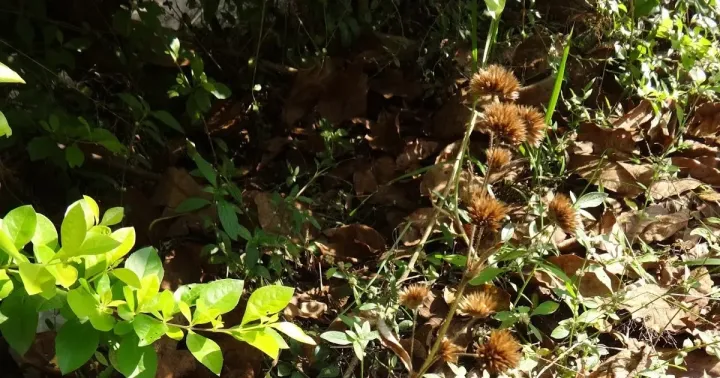
Description
Growing requirements
Elephantopus senegalensis is a perennial herbaceous plant belonging to the Asteraceae family. Native to the tropical regions of West Africa, it thrives in warm, humid climates where it typically occupies open forest margins and grasslands.
The crop requires well-drained, nutrient-rich soils with a pH ranging from 6.0 to 7.0. It is essential to ensure adequate soil aeration to prevent root suffocation, which is a common issue in compacted or overly heavy clay soils.
Climate conditions are paramount; the plant performs best at temperatures between 24 and 30 degrees Celsius. It requires high exposure to sunlight but can benefit from partial shade during the most intense afternoon heat to prevent leaf scorching.
Irrigation management should focus on consistency. While the plant can handle short dry spells once established, regular water availability is required during the initial growth phases to ensure the development of a robust root system and lush foliage.
Fertilization strategies involve a balanced application of organic compost mixed into the planting holes. Supplemental NPK fertilizers may be applied during the peak vegetative stage to promote healthier stem elongation and broader leaf surface area.
Harvesting
The economic value of Elephantopus senegalensis lies primarily in its medicinal and ethnobotanical applications. Farmers focus on harvesting the aerial parts of the plant, including leaves and young stems, before the flowers fully mature.
Harvesting should be done in the early morning hours to maintain optimal moisture levels within the plant tissues. Hand-pruning is the preferred method to avoid crushing the stem tissue and to protect the core crown of the plant.
Post-harvest processing involves air-drying the biomass in a controlled environment. Direct sunlight should be avoided during the drying process to prevent the degradation of active chemical compounds present in the leaves.
Storage conditions must be cool, dark, and dry. Utilizing airtight containers prevents moisture absorption, ensuring that the pharmacological potency of the plant material remains stable for export or domestic use.
Integrated pest management (IPM) is advised to maintain crop hygiene. Monitoring for common foliage feeders and applying organic deterrents ensures a high-quality, chemical-free harvest suitable for pharmaceutical extraction processes.