
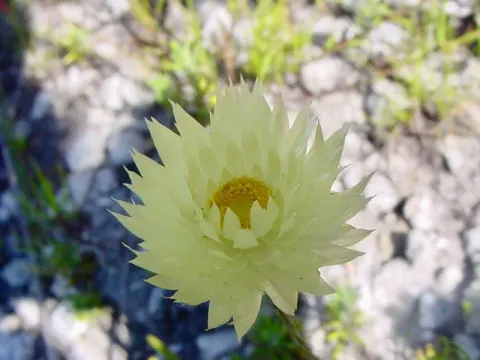
Edmondia
Edmondia
The sowing of Edmondia seeds is typically carried out from late February to early March. The seeds require surface sowing on a moist substrate without deep burial, as light is essential for their germination process.
What the section contains

Edmondia
Covering the containers with glass or plastic film is recommended to maintain stable humidity levels. The optimal temperature for successful seedling emergence ranges between 18 and 20 degrees Celsius.
Pricking out the seedlings should be performed when the first two true leaves have developed. Individual pots are ideal for ensuring the root system develops properly before the transplanting stage in late spring.
Transplanting into open ground should only occur after the risk of late spring frosts has passed. The soil must be sufficiently warmed to facilitate rapid establishment of the root systems in the new environment.
A spacing of 20 to 30 centimeters between plants is recommended to ensure adequate airflow. Proper spacing is a key factor in preventing fungal diseases that thrive in crowded and humid conditions.
Edmondia, a member of the Asteraceae family, is highly valued for its drought tolerance and resilience. It thrives in open, sunny locations where it can receive direct sunlight throughout the day.
The ideal soil for Edmondia is light, well-draining, and slightly acidic or neutral. Soils that are heavy or prone to waterlogging must be avoided as they often lead to root decay and plant failure.
This plant prefers soils with moderate fertility; excessive use of organic fertilizers can result in poor flowering performance, as the plant will prioritize vegetative growth over the production of decorative blooms.
Watering should be balanced and regular during the active growing season. While the plant exhibits high drought resistance once established, consistent moisture helps maintain the quality and size of the flowers.
Avoiding low-lying areas or sites with high water tables is crucial. Poor drainage is the most common cause of stress for this species, leading to weakened roots and increased susceptibility to diseases.
For best results as a dried flower, Edmondia should be harvested when the buds are only partially open. At this stage, the flowers retain their shape and structural integrity best during the drying process.
Stems should be bundled in small bunches and hung upside down in a dark, dry, and well-ventilated area. Protection from direct sunlight is vital to prevent the natural pigments from fading.
The drying process usually takes two to three weeks depending on ambient humidity. A properly dried Edmondia specimen remains sturdy and retains its vibrant color for several months or even longer.
Once drying is complete, applying a thin coating of floral spray or a light hairspray can add extra durability and protect the delicate petals from dust accumulation.
Store the dried product in a moisture-free environment. High humidity areas, such as damp basements or bathrooms, should be avoided to prevent the stems from softening or molding over time.
The most common threats to Edmondia include root rot and powdery mildew, which are often consequences of improper watering or lack of ventilation. Preventive measures include ensuring good soil drainage.
Aphids are the primary pests that damage young shoots and developing flower heads. Treatment with systemic insecticides or gentle soap-based solutions can effectively manage infestations if caught early.
Gray mold may occur during periods of excessive rain or high humidity. Affected plant parts should be removed immediately to prevent the spread of the infection to healthy neighboring specimens.
Effective weed management is essential as weeds compete for resources and create a humid microclimate. Regular weeding keeps the surrounding area clear and improves air circulation around the plants.
- Ensure proper drainage at the planting site.
- Monitor plants regularly for aphid colonies.
- Maintain a weed-free garden bed.
- Remove diseased plant debris promptly.