
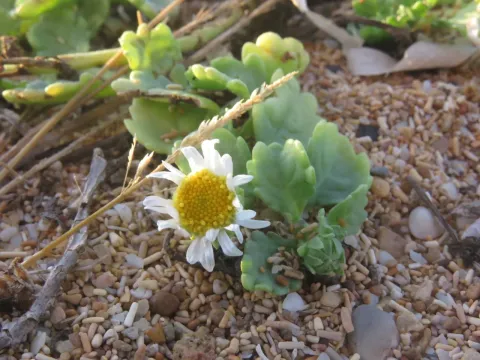
Egletes
Egletes
The genus Egletes belongs to the Asteraceae family and is native primarily to tropical and subtropical regions of the Americas. These plants are known for their glandular-pubescent surfaces, which give them a sticky texture and serve as a survival mechanism in hot environments.
What the section contains


Egletes
Botanically, Egletes species are typically herbaceous plants with branched stems and serrated leaves. They thrive in regions with consistent temperatures and high light exposure, requiring a frost-free growing season to complete their lifecycle effectively.
Soil requirements involve well-drained, fertile substrates. Egletes does not tolerate waterlogging, as excessive soil moisture promotes root rot and reduces the accumulation of desired secondary metabolites, which are essential for its medicinal application.
Climate conditions must remain stable, with a preference for tropical heat. The plant shows moderate drought resistance once established, but supplemental irrigation is necessary during the vegetative phase to ensure the development of high-quality biomass.
In terms of agricultural utility, Egletes is valued for its bioactive compounds. It is increasingly researched for potential use in natural pharmaceuticals, emphasizing the need for standardized cultivation practices to optimize the chemical profile of the harvest.
Fungal infections, such as powdery mildew, are the primary biological threat to Egletes production, especially in high-humidity climates. Proper spacing is essential to ensure adequate airflow and prevent the development of these pathogens.
Sucking insects, particularly aphids and spider mites, are frequent pests that colonize the glandular foliage. Their presence can severely damage plant tissues and reduce the overall yield of medicinal raw material if left unchecked.
Nematodes are a hidden threat that can compromise root health, leading to stunted growth and reduced nutrient uptake. Implementing crop rotation cycles is a critical agronomic strategy to manage soil-borne pest populations.
Leaf-eating caterpillars can rapidly defoliate plants during the peak growing season, necessitating vigilant monitoring. Biological control agents or selective biopesticides are recommended to protect the pharmacological integrity of the crop.
Effective pest management relies on a combination of cultural practices, such as maintaining weed-free fields and proper irrigation scheduling, to keep the plants resilient against common field threats.