
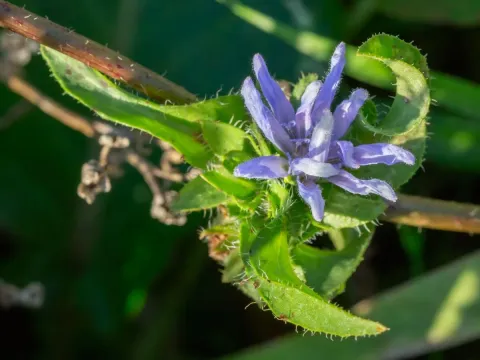
Cichorium calvum
Cichorium calvum
Cichorium calvum is a herbaceous species belonging to the Asteraceae family. It is an annual plant characterized by its distinct morphological features compared to the more common varieties of chicory.
What the section contains
Cichorium calvum
Sowing should be performed in early spring as soon as the soil temperatures reach 8 to 10 degrees Celsius. The seeds are small and should be placed at a depth of 1-2 centimeters.
Agricultural production typically employs a row-seeding method with intervals of 45-50 centimeters. This setup allows for better airflow and facilitates the use of mechanical weeding tools.
The success of the crop depends on the preparation of the seedbed. Ensuring a fine tilth and adequate soil moisture at the time of planting is essential for achieving high germination rates.
Farmers should avoid sowing in heavy, waterlogged soils, as this species requires good aeration to support its developing root structure and avoid early root rot.
This crop thrives in sunny, open environments. Lack of sufficient sunlight leads to etiolated growth and a significant reduction in biomass production and plant vitality.
The soil requirements for Cichorium calvum include a neutral to slightly alkaline pH. Soils with higher acidity levels must be treated with lime to improve nutrient availability for the plant.
While the plant exhibits moderate drought tolerance, it requires consistent moisture during the early vegetative stages to ensure robust development of the foliage.
Optimal temperatures for growth range between 18 and 25 degrees Celsius. Extreme cold or sudden drops in temperature can cause stress, potentially shifting the plant prematurely into the reproductive phase.
Applying balanced NPK fertilizers is recommended to support rapid leaf development. Potassium, in particular, helps the plant build resilience against environmental stresses.
The economic value of this crop is primarily linked to its green biomass. High yields are achievable through careful density management, usually aiming for 200,000 to 250,000 plants per hectare.
Nitrogen fertilization at the start of the rapid growth phase is a key agronomic practice to maximize the yield of green matter, which is often used in specialized animal feed.
Weed management remains the most critical factor in achieving high yields. Effective control during the first month of growth ensures that the crop receives sufficient nutrients and light.
Yield stability is improved by choosing appropriate varieties and ensuring that the crop is not subjected to waterlogging, which is a common cause of yield loss.
Timing the harvest according to the phenological stage of the plant is vital. Harvesting before full bloom captures the peak quality of the plant tissue.
Cichorium calvum is susceptible to several fungal diseases, particularly powdery mildew and root rots, which often occur in poorly drained field conditions.
Aphids and various leaf-chewing insects are the primary pests. Regular scouting is recommended to intervene before pest populations reach economic injury levels.
Crop rotation is essential for managing soil-borne pathogens. A minimum 3-year gap between hosting related Asteraceae crops significantly reduces the disease pressure.
Integrated pest management strategies should be prioritized, utilizing biological controls where possible to maintain the ecological balance within the field.
Monitoring for symptoms of wilting or discoloration allows for early detection of issues, enabling localized treatment and preventing the spread of diseases across the field.
Harvesting is performed mechanically using forage harvesters or mowers set to a specific height to leave the base of the plant undamaged, allowing for potential regrowth.
The timing of the harvest is crucial and should occur before the plant enters the full reproductive stage to maintain high forage quality and protein content.
Post-harvest logistics must be efficient to prevent spoilage. Green matter should be moved to processing facilities immediately to maintain its nutritional integrity.
For seed production, harvesting is done when seed pods reach maturity but before they begin to shatter, requiring careful timing and combine adjustments.
Proper post-harvest drying is necessary to ensure long-term storage stability and to prevent the development of mold, which can destroy the entire stock.