
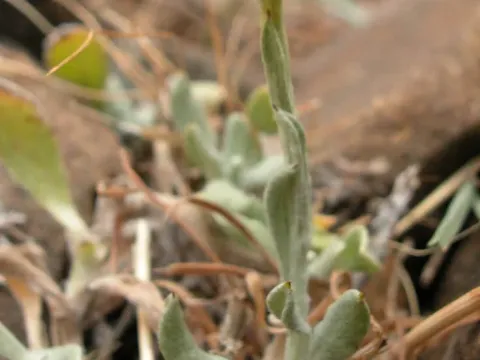
Chrysocephalum sericeum
Chrysocephalum sericeum
Chrysocephalum sericeum is a perennial herbaceous plant belonging to the Asteraceae family. Seeds are typically sown in early spring after the risk of frost has passed.
What the section contains
Chrysocephalum sericeum
When starting indoors, sow seeds in late winter using a light, well-draining seed-starting mix. The seeds require light for germination, so they should be pressed into the surface rather than buried deep.
Maintain temperatures between 20–22 degrees Celsius and keep the growing medium consistently moist but never waterlogged during the germination stage.
Transplanting into the garden should occur once the seedlings are strong enough and the ground has warmed up. Spacing of at least 30–40 centimeters is recommended to allow for healthy development.
The plant adapts well to nursery conditions, but careful hardening-off is necessary to help it transition to the intense sunlight of outdoor environments.
Native to arid regions of Australia, this species is highly drought-tolerant and thrives in full sun. It requires a location with maximum exposure to direct sunlight throughout the day.
Soil requirements are minimal, as the plant prefers sandy, well-draining soils. Poorly drained or heavy clay soils should be amended with gravel or organic matter to prevent root rot.
The ideal soil pH is neutral or slightly acidic. Chrysocephalum sericeum is not a heavy feeder and does not require frequent fertilization, which can actually reduce its compact, silvery appearance.
Watering should be moderate, allowing the soil to dry out between irrigation sessions. During the establishment phase, slightly more frequent watering is required.
The plant is heat-resistant and maintains its striking silvery foliage even in extreme temperatures, provided the root zone remains adequately aerated.
In landscaping, this plant is valued for its ground-covering properties and its ability to act as a textural accent in rock gardens and borders.
Deadheading faded flowers is a crucial maintenance task that encourages subsequent flushes of golden yellow blooms throughout the summer season.
The flowers of Chrysocephalum sericeum are excellent for use as dried botanical elements in floral arrangements and crafts.
- harvest when flowers are fully open;
- pick during dry weather;
- hang upside down in a dark, airy place;
- ensure complete dehydration before storage.
Routine grooming, including the removal of dead lower leaves, helps keep the plant looking tidy and maintains its vigorous growth habit.
The most significant threat to this crop is excessive soil moisture and poor air circulation, which can easily lead to root and crown rot.
Pests are generally uncommon due to the silver-haired texture of the foliage, but aphids may occasionally colonize the soft, new growth during humid periods.
Fungal leaf spots can occur if the foliage remains wet for extended periods. Preventive measures include ensuring good spacing and choosing a site with high airflow.
Weed management is critical during the establishment year to ensure the plant does not compete for space or soil resources in the early stages of growth.
Regular inspection of the basal foliage is recommended to catch any early signs of fungal infection or pest activity before they become severe.